Your garden layout reflects your design taste just as much as your interior choices. It shows how well you understand your property’s character and what works in your space.
Planning a garden that truly complements your home isn’t something you knock out in an afternoon, though. So, what does garden layout planning actually mean? Well, it means thinking about beds, paths, plant choices, and how these elements work together with your building’s features.
Don’t panic, seeing a bunch of considerations to juggle. We’re here to make your life easier by breaking down exactly how to match garden layouts to different home styles.
If you want to know what really counts for Brisbane properties, then stay with us. We’ll share our insights on reading your home’s architecture, sizing garden beds correctly, and choosing plants that suit your style.
Why Garden Layout Planning Matters for Your Home’s Character
Your garden layout determines whether your outdoor space looks like it belongs to your home or feels like an awkward add-on that doesn’t quite fit. When you get it right, your property feels complete and thought-through.
Here’s the thing. Proper planning creates higher property values because buyers immediately notice when outdoor spaces feel intentionally designed rather than randomly planted. They can spot the difference between a landscape that flows with the home’s style and one that clashes.

Your home’s architectural style naturally suggests certain landscape design approaches, too. Following these guidelines means less maintenance, fighting against what works for your building.
Let’s be honest here. Brisbane’s year-round growing season means your garden is always on display. Every time you look outside, you’re seeing the results of your planning decisions.
Reading Your Home: What Your Architecture Says About Garden Design
Ever noticed how some gardens just click with their homes while others look completely off? (And yes, we’ve all driven past those head-scratchers.) Your home’s architecture is already telling you what kind of garden layout works best. The trick is learning to read those signals.
Modern Homes Call for Clean Garden Lines
Contemporary architecture with sharp angles needs geometric garden beds and minimal plant varieties for a cohesive look. You might be wondering why geometric shapes work so well with modern builds. The reason is simple. They echo the clean lines already present in your home’s design.
Gravel pathways, concrete edges, and architectural plants like agaves suit modern homes better than cottage garden chaos. For example, a Brisbane home in Kangaroo Point used structured native plants with defined edges to complement its contemporary facade beautifully.
So, the takeaway here is that repeating your home’s linear features in hardscaping creates a visual connection between the building and landscape.
Traditional Queenslanders Need Cottage-Style Garden Beds
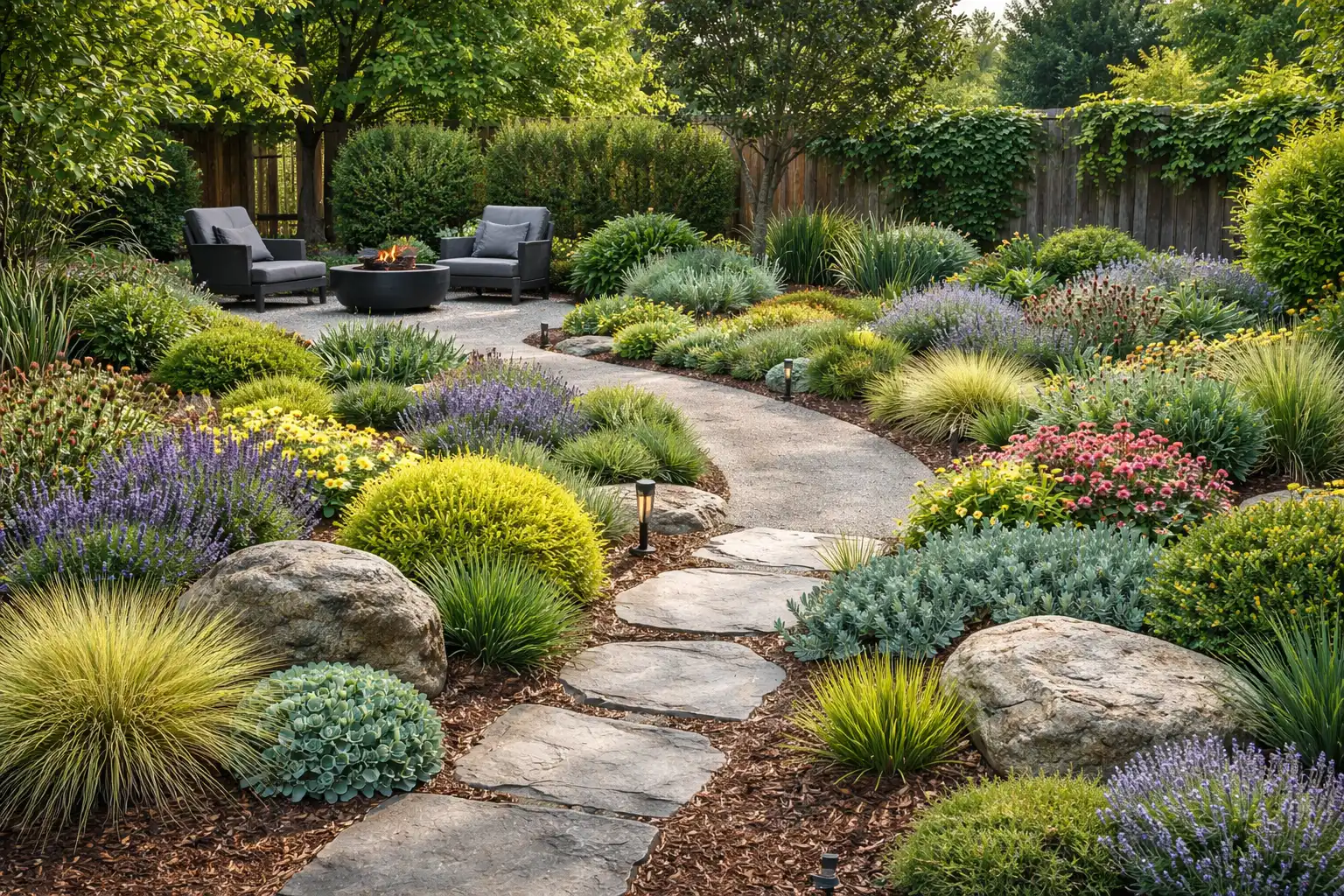
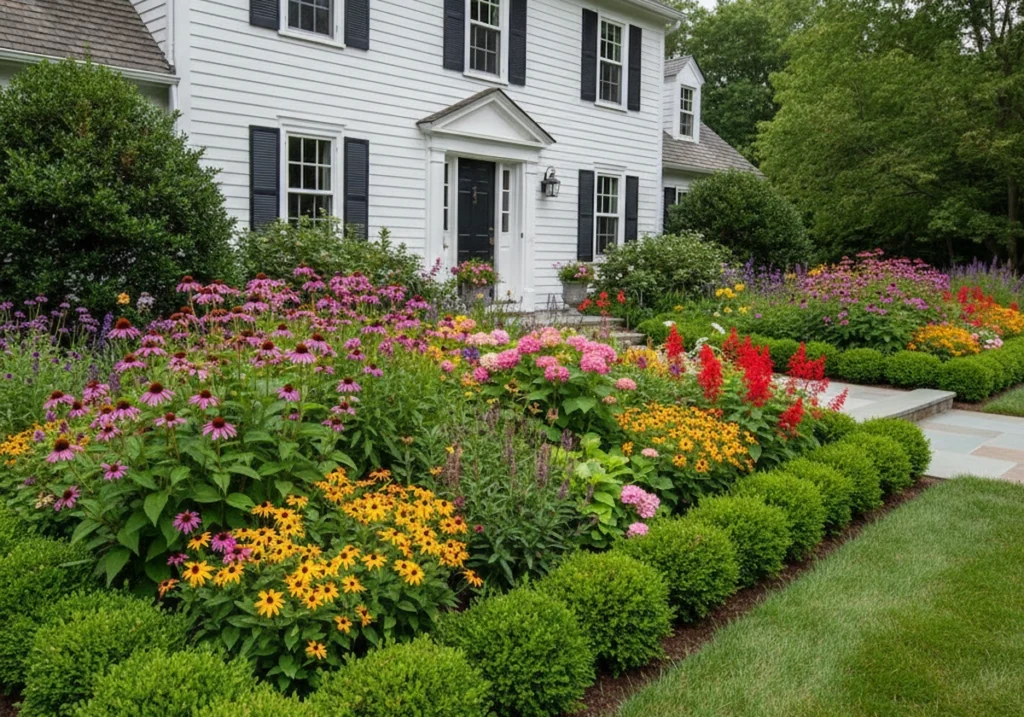
Classic timber homes with decorative details pair beautifully with informal, flowing garden beds full of mixed plantings. These heritage properties deserve gardens that match their relaxed character.
Let’s talk about the details that bring this style to life. Curved pathways, picket fence borders, and layered heights echo the soft character of traditional Brisbane architecture. Drawing from our work with heritage properties across Brisbane, we’ve seen how curved beds and mixed planting create that established cottage feel these homes need.
The moment you realise heritage roses, lavender, and flowering shrubs work perfectly with your Queenslander, you can’t help but smile. These plants thrive in Brisbane’s climate, which receives around 909 mm of rainfall annually, ensuring they look natural against timber weatherboards.
Contemporary Builds Work with Structured Landscape Design
New home designs with mixed materials benefit from garden layouts that repeat those textures in outdoor features. Think rendered walls paired with rendered garden beds, or timber cladding echoed in sleeper edging.
However, contemporary doesn’t mean stark. Structured plantings in defined zones create interest while keeping things clean. This approach works beautifully with contemporary architecture because it respects the building’s intentional design without making the garden feel cold or empty.
Now, it’s time to consider what you’ve understood from here. If we want to put it simply, we would say that using negative space deliberately in your garden layout mirrors modern architecture and gives the eye places to rest.
Garden Design Principles That Connect Indoor and Outdoor Spaces
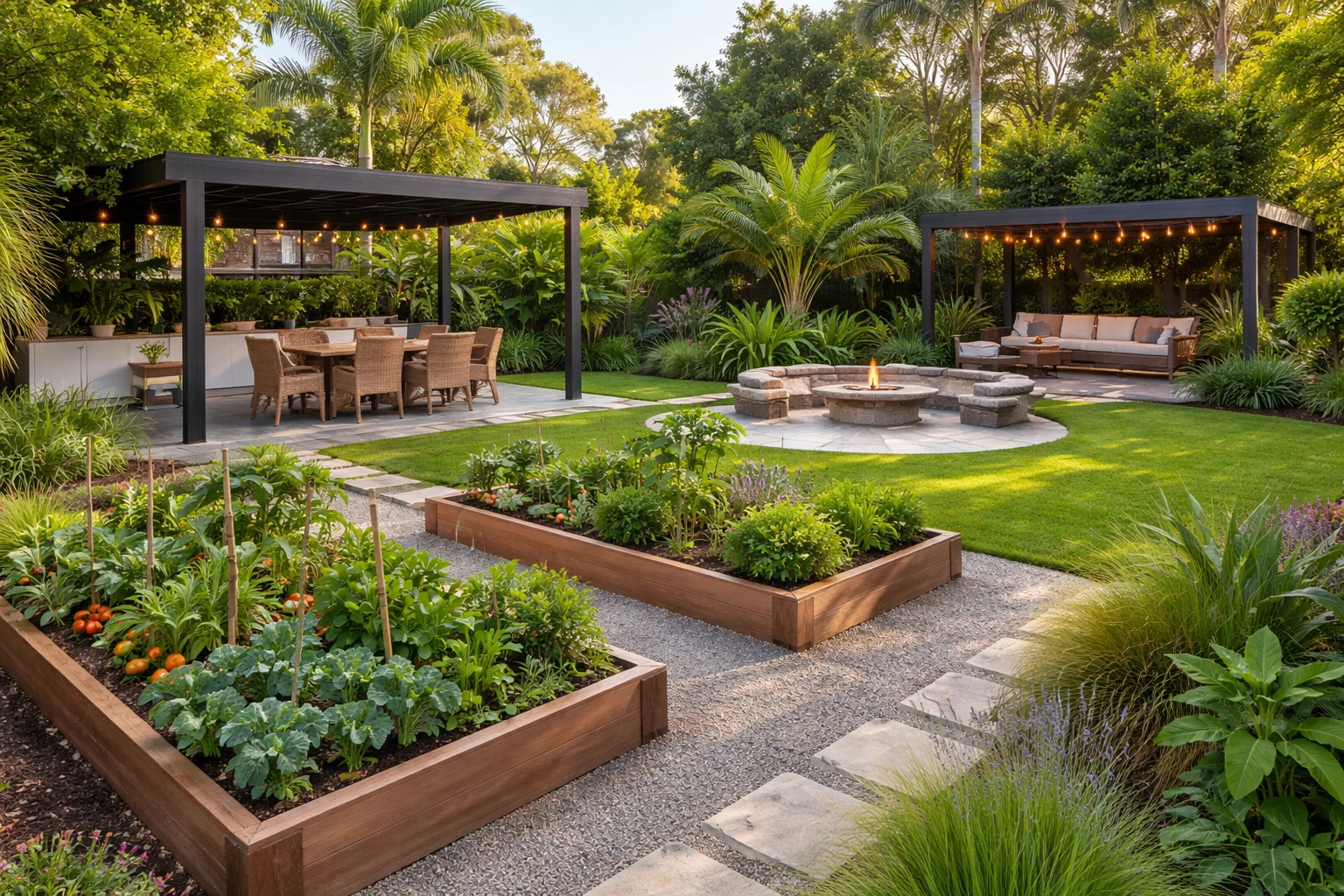
The best part about connecting your indoor and outdoor spaces through thoughtful design is how it makes your home feel twice as large and completely intentional. Your garden becomes an extension of your living space rather than something separate.
Now, we’ll walk you through the key design principles that create this seamless flow.
- Sight Lines: Stand at your kitchen window or lounge room doors and see what catches your eye. Those views deserve strategic planning because you’ll be looking at them every single day. Sight lines from main living areas should guide where you place focal points like feature trees or garden beds in your landscape.
- Colour Connection: Repeating interior colour palettes in flowering plants creates a subconscious connection between inside and outside your home. If your interior leans towards soft greys and whites, consider native plants with silvery foliage or white flowers. The reason this works is it creates visual flow without you even realising it.
- Material Matching: Pathway materials that echo your home’s finishes make the transition from house to garden feel natural and planned. For example, homes with timber decking often incorporate timber sleepers in garden beds to create a cohesive landscape design throughout the property.
Getting these design principles right doesn’t need to be complicated. Just think about what you see from inside your home and let that guide your garden layout planning decisions.
Sizing Your Garden Beds to Match Your Home’s Scale
Getting your garden bed proportions right means your whole property instantly looks more balanced and professionally designed. You’re not spending extra money on plants or materials. You’re just using the right sizes for your home’s scale.
Here’s what happens when you get it wrong. Your home either looks overwhelmed by massive plantings or awkwardly bare with skinny little borders. Neither looks good, trust us.
So, what sizes actually work? Here’s a quick guide for Brisbane properties:
- Two-Storey Homes: Garden beds need a minimum 1.5-2m depth. The height and mass of double-storey buildings require substantial planting to create balance in your landscape.
- Single-Storey Homes: Keep beds around 1-1.2m depth. Anything deeper starts dominating the space and makes your home look smaller.
- Compact Blocks: On smaller yards, scale back to 800mm-1m beds. You need room for pathways and functional outdoor space.
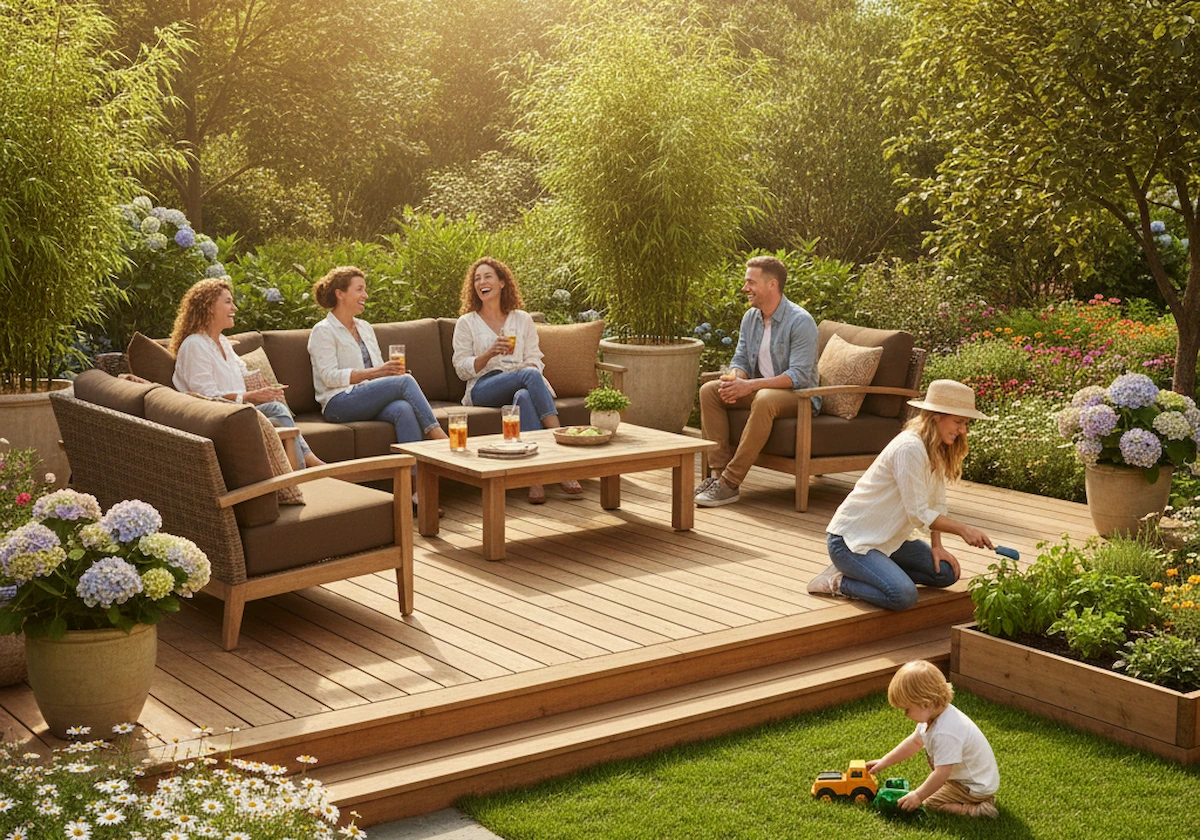
So what’s the real deal here? Brisbane’s typical 400-600sqm blocks require careful planning. You still need room for outdoor living, space for the kids to play, and access paths around your property. Balance is everything.
What About Raised Beds? Choosing Heights That Complement Your Property
Thinking about raised beds, but not quite sure what height works for your home? Here’s the thing. The wrong height can make your garden feel disconnected or block important views you actually want to keep. Getting it right means your raised beds enhance your landscape rather than dominate it.
Let’s break down what works for different property types.
Low-Profile Raised Beds for Single-Storey Homes
Beds around 400-600mm high add interest without blocking views from windows or creating heavy visual barriers. This height range works beautifully for most Brisbane single-storey homes.
Now, here’s why this height is brilliant. Low raised beds suit Brisbane’s informal outdoor lifestyle while providing better drainage than in-ground garden beds. They’re easier to maintain, too. You’re not bending down as far when planting or weeding. That’s a win for your back.
Material choice matters here as well. Timber sleepers feel casual and relaxed. Rendered brick adds polish to match your home’s finish level. That’s why you should pick materials that echo what’s already on your property for cohesive landscape design.
Tiered Garden Design Ideas for Sloping Brisbane Blocks
Multiple garden bed levels following natural contours work better than fighting slopes with extensive retaining walls. Brisbane’s hilly suburbs like Paddington and Red Hill suit this approach perfectly. Can you guess why? Because working with the slope costs less and looks more natural.
Stepping heights between 300-500mm create accessible planting zones while managing Brisbane’s heavy rainfall runoff effectively. Each level needs proper drainage so water doesn’t pool during our wet season. That’s critical for plant health.
Don’t worry, we have a decent solution for you. Tiered layouts give multi-storey homes interesting views from upper floors instead of flat, boring garden arrangements. We’ve seen this work beautifully in Ashgrove, where sloping blocks are common. The layered effect creates depth and visual interest throughout your landscape. That’s fantastic, right?
Matching Plant Choices to Your Home’s Style and Era
Most Brisbane homeowners choose plants based purely on colour or maintenance needs, but your home’s architectural style should actually be your first consideration. The right plant choices reinforce your home’s character instead of fighting against it.
Here’s a quick reference to match plants with different home styles:
|
Home Style |
Plant Approach |
|
Modern/Contemporary |
Architectural natives, agaves, grass trees, sculptural forms |
|
Traditional Queenslander |
Cottage perennials, heritage roses, lavender, mixed flowering shrubs |
|
Contemporary Mix |
Structured native plants, defined planting zones, and minimal varieties |
|
Mid-Century |
Palm species, ferns, bamboo, tropical textures |
Plant selection should reinforce your home’s architectural period. Native plants suit contemporary designs beautifully. Perennials complement traditional Queensland homes perfectly. Matching your plants to your building’s era creates that intentional, pulled-together look in your landscape.
Foliage textures are just as important as flowers, too. Spiky, dramatic leaves suit modern designs. They echo the sharp lines and angular features. Sof,t rounded plants suit cottage styles because they mirror the relaxed, flowing character of heritage homes.
Here’s something people often forget. Consider mature plant sizes during garden layout planning, or you’ll need constant pruning here and there to prevent plants from overwhelming your home. A small shrub today might be blocking your windows in three years. That tree that looks cute now? It could dominate your whole yard eventually.
So, think about the long game when choosing plant species for your garden beds.
Creating Your Dream Garden: Practical Steps for Layout Planning
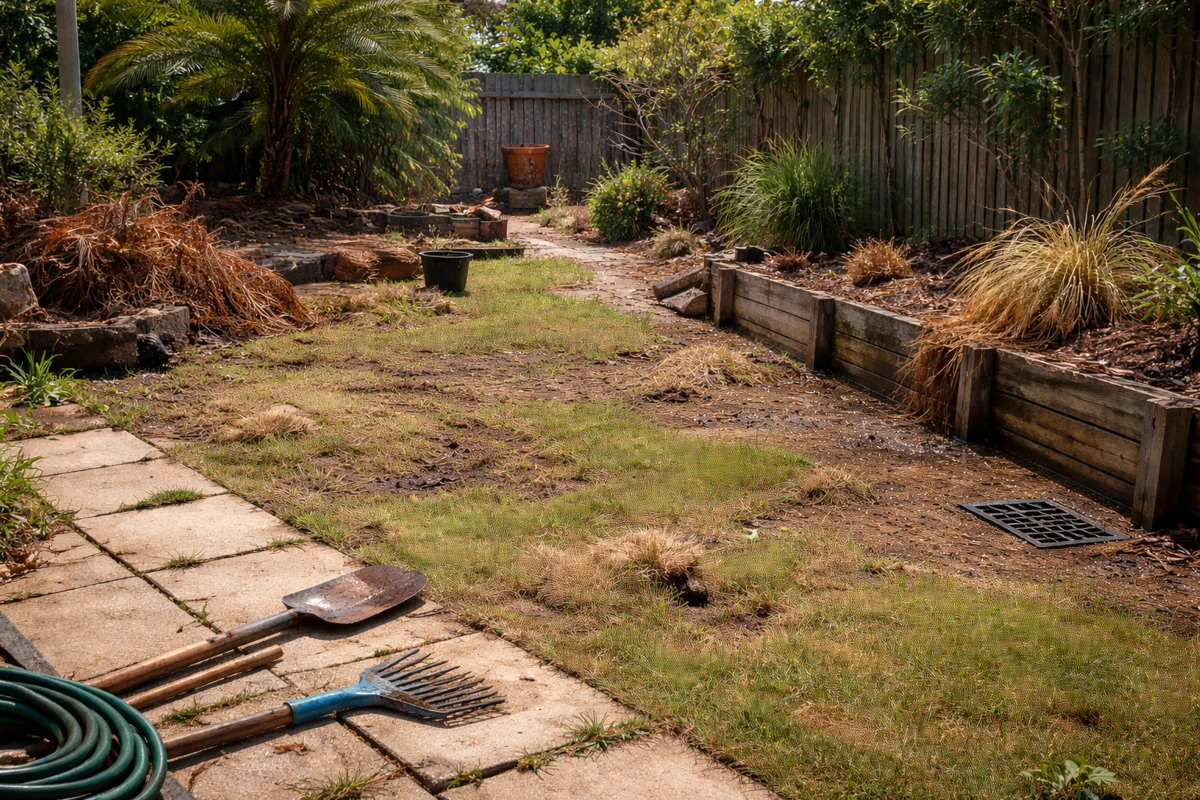
Now that you understand how architecture influences garden design, here’s how to actually plan your garden layout step by step. Creating your dream garden doesn’t need to feel overwhelming when you break it down into manageable tasks. You can start with simple measurements and build from there.
Measuring and Mapping Your Space
Mark existing features like downpipes, air conditioning units, and windows that affect where garden beds can actually go. These practical considerations shape your layout more than you’d think.
Take photos from inside your home to identify key sight lines worth enhancing with strategic plantings. What you see from your kitchen or living room deserves the most attention in your planning. That’s where you’ll be looking every single day.
Note sun patterns throughout the day as well. Brisbane’s intense western sun significantly affects plant placement and garden bed locations. Grab some graph paper and sketch your space to scale. It helps you visualise the layout before committing.
Testing Your Garden Layout Before Committing
Use spray paint or rope to outline proposed garden beds and live with the layout for a week before digging. This simple step saves so much hassle later.
Place cardboard boxes where you’re planning raised beds to check if pathways feel comfortable and views remain pleasant. Walk around the space multiple times. Does it flow naturally?
And that’s where things get interesting. Walking your planned layout reveals practical issues like tight corners or blocked access that look fine on paper but don’t work in real life.
Common Garden Layout Mistakes When Building Around a New Home
Planning a garden around your new home? These layout mistakes cost Brisbane homeowners thousands in replanting and redesign work every year. Let’s help you avoid them.
- Copying Display Home Gardens: Display homes look fantastic, but their gardens are designed for visual impact, not your actual block size or home style. We see this mistake every single week. The result? Gardens that look awkward and feel wrong for the space.
- Planting Too Close to Foundations: In our experience working with new Brisbane homeowners, planting too close to walls creates maintenance headaches and structural issues that’ll cost an arm and a leg to fix. Tree roots damage foundations. Shrubs trap moisture. Keep plantings at least 1-1.5m away.
- Ignoring Drainage Patterns: Brisbane’s wet season is serious. Ignoring drainage when positioning garden beds leads to waterlogged plants and erosion problems quickly. New home sites often have compacted soil from construction, which makes it worse.
- Skipping the Scale Test: Putting in massive garden beds on small blocks eats all your usable yard space. You need room for outdoor living, not just plants. Test your layout with rope or spray paint first.
- Forgetting Maintenance Access: Garden beds that look great on paper can trap you without proper access paths. You need to reach every plant for pruning, weeding, and general care. Plan pathways from the start.
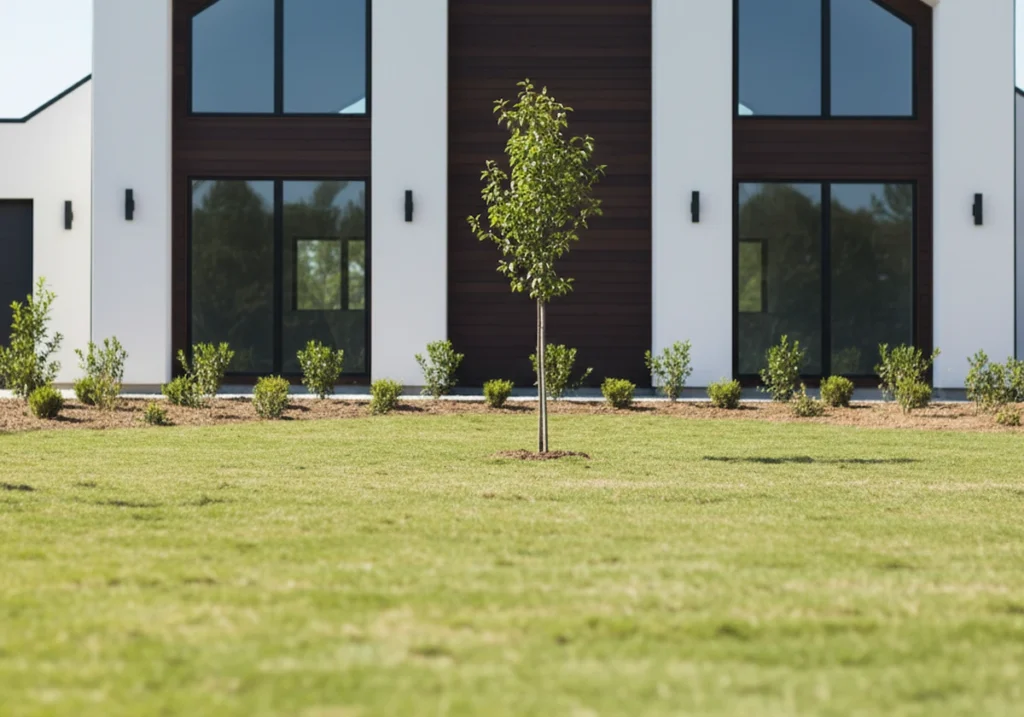
Pro tip: Live with your new home for at least one full season before committing to permanent garden layouts. You’ll learn where the sun hits, where water pools, and how you actually use your outdoor space.
Start Planning Your Garden Layout Today
Taking time upfront to match your garden layout planning to your home’s architectural character saves you from costly redesigns later. Brisbane’s climate gives you year-round planting opportunities, so you can implement your dream garden gradually without pressure.
Here’s what to remember:
- Study your home’s architectural style before choosing garden bed shapes and sizes
- Consider sight lines from inside when positioning focal points and major plantings
- Test layouts with temporary markers before committing to permanent installations
- Match plant choices to your home’s era and finish level for cohesive results
Follow our blog at https://designmartus.com/blog/ for more creative landscaping ideas tailored to Brisbane’s unique climate and lifestyle. We share practical insights from real projects every week that help you create gardens that truly complement your property.