Australians spend between $30,000 and $60,000 on landscaping projects, depending on the scope and materials involved. However, a massive portion of that budget goes toward fixing landscaping mistakes that seemed perfectly reasonable during the planning stage.
These decisions create ongoing expenses that add up year after year. At one point, it becomes a hassle to spend every Saturday fighting weeds that shouldn’t be there in the first place.
In this article, we’ll walk through the specific landscape design mistakes that become expensive problems for Brisbane homeowners. You’ll find out where people go wrong with budget allocation and how to avoid paying twice for the same outdoor space.
Let’s begin with learning the mistakes that become costly repairs later on.
Garden Beds That Come With a Price
Garden beds seem straightforward to install, but poor placement decisions can create expenses that follow you for years. You may pick a spot, add some soil, sow in plants, and assume you’re done. But the reality is that where you put those garden beds decides whether your garden will thrive or not.
Here’s where garden beds go wrong and what it costs you over time.
Placing Beds Where Water Pools
Through our residential projects around Brisbane, waterlogged garden beds are the number one complaint we fix during landscape design renovations. It’s because low spots collect water during the wet season, and your plants end up sitting in soggy soil that rots their roots within days.
Moving those garden beds later means you have to buy new soil, replace all your dead plants, and install proper drainage (which you should have planned from the start). This sort of drainage fix after everything’s planted typically costs three times more than getting the levels right before you create your garden beds.
Skipping Edging From the Start
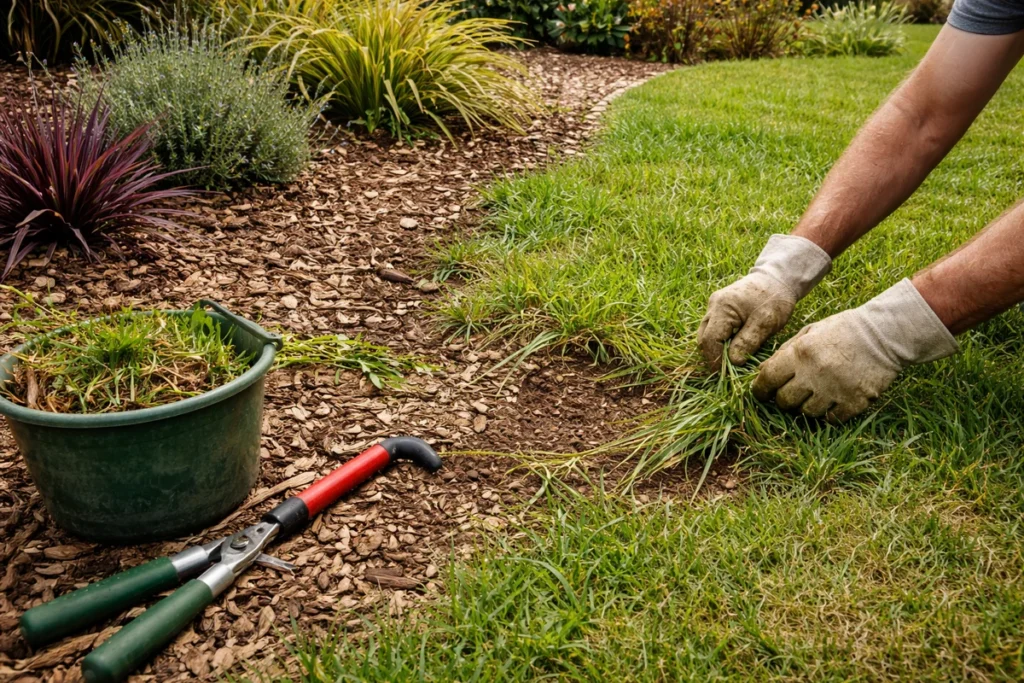
Lawn grass doesn’t respect invisible boundaries. Without proper edging, kikuyu and couch grass creep into your garden beds within a few months, and you end up spending every weekend pulling runners out by hand.
Over time, this gets expensive because you can’t stop it once it starts. And when you finally add edging later, you’ll disturb established plants, waste the effort you already put in, and still need to deal with grass roots that have invaded your entire bed (your weekends deserve better than fighting couch grass invasions).
You can choose low-maintenance plants if you want, but without edging, even native plants end up competing with lawn grass for space and nutrients.
Choosing High-Maintenance Plants for Borders
Roses and tropical flowering plants look stunning at the garden centre, but they need constant feeding, regular pruning, and ongoing pest control to survive in Brisbane’s climate. Annual replacements for this type of fussy plant typically cost $200 to $500 every year when they fail during our dry winters or get hammered by humidity in summer.
The better approach is native plants like grevillea, lilly pilly, or other low-maintenance options that handle our local conditions without weekly attention. That way, you’ll save time, cut your water usage, and stop replacing the same plants every season.
Hardscaping Elements That Cost More Later
Quality hardscaping allows you to install it once and forget about repairs for decades. Hardscaping options like pavers, retaining walls, outdoor kitchens, and decking usually become permanent parts of your outdoor space.
However, when you cut corners on hardscaping materials to save a few hundred dollars upfront, you end up paying for the same project twice within a few years.
Take a look at what happens with cheap hardscaping elements:
- Budget Pavers Crack: Those discount concrete pavers from the clearance section might seem like a smart buy. After Brisbane’s first proper summer, though, cheap pavers start cracking. They sink into poorly compacted bases or develop uneven surfaces that collect water around your outdoor living space.
- Untreated Timber Sleepers: Using budget sleepers for retaining walls or raised garden beds saves money initially, but creates problems within three years. Untreated timber absorbs moisture during our wet season and rots from the inside out.
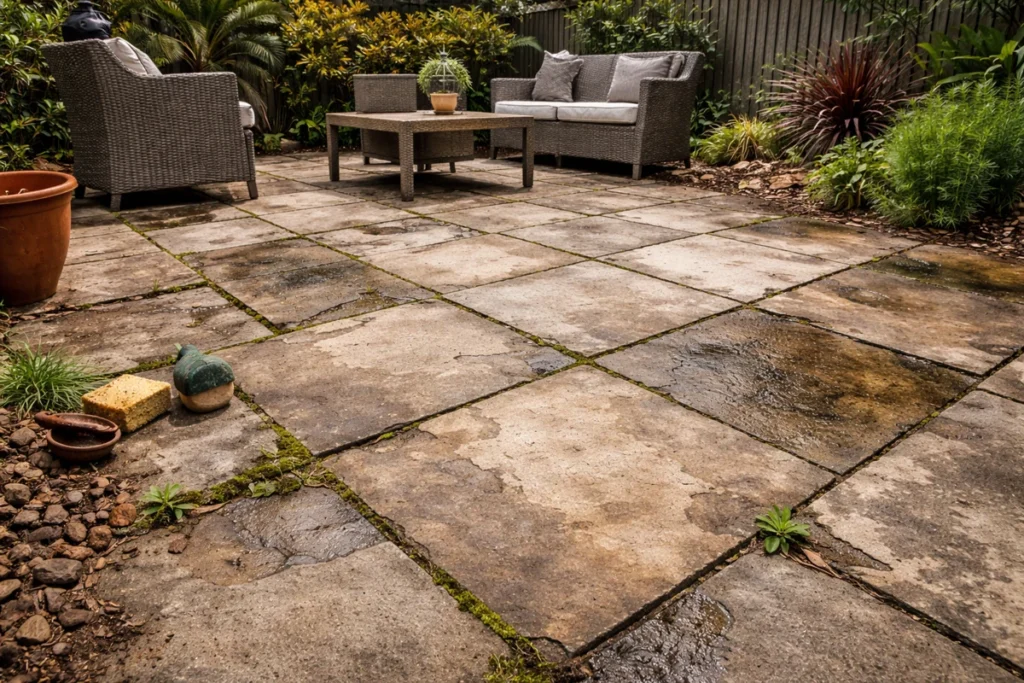
- Low-Grade Natural Stone: Poor-quality stones weather badly in Brisbane’s climate. They stain easily, chip under foot traffic, become slippery when wet, and develop a tired appearance. Eventually, it drags down your garden’s visual appeal instead of adding to it.
The better approach is to invest in quality materials from the start, even if it means doing your landscaping project in stages.
Fun Fact: Research from Virginia Tech found that upgrading your landscape from good to excellent can increase property value by 6 to 7%. Meaning, your garden becomes an investment when you’re talking about Brisbane property prices.
Common Mistakes: Skipping Soil Testing
Soil testing might sound boring, but skipping it guarantees dead plants and wasted money. This step sounds tedious, but without knowing your soil type, soil quality, and drainage capacity, you end up guessing about what plants will survive and how much soil amendment you’d need.
Here’s what you’re dealing with when you skip the testing.
Clay Soil Problems Nobody Warns You About
Based on our projects in areas like Chermside and Aspley, clay soil consistently causes the most headaches for homeowners who skip testing. It’s because heavy clay in Brisbane’s northern suburbs holds water like a bucket, and your plants end up suffocating in waterlogged conditions during our wet summer months.
Clay compacts over time, too. Which means drainage issues get progressively worse each year instead of improving. Adding gypsum and compost before planting saves you from replacing dead plants repeatedly, but for that, you first need to know you have clay problems.
Soil testing tells you exactly how much amendment your garden beds need and what soil type you’re working with.
Poor Drainage That Kills Everything You Plant
Poor drainage creates conditions where nothing thrives, despite the amount of money you throw at replacements. Without the drain, standing water after rain drowns plant roots within 48 hours (soggy soil breeds fungus faster than Brisbane breeds humidity).
French drains or raised beds fix these issues, but installing them after you’ve already planted everything costs significantly more in labour and disruption.
Which is why you need to test your soil first, understand the drainage capacity, and plan your garden beds accordingly to avoid costly replacements down the track.
Curb Appeal vs. Backyard Function
Front yards get all the attention because that’s what neighbours and visitors see first. But the problem is that spending 80% of your landscaping budget on curb appeal leaves your backyard unusable for years.
This is how you can split your budget for your front and backyard:
Front Yard Focal Points
Your front garden needs to look presentable and boost your home’s visual appeal, but it doesn’t need to be elaborate.
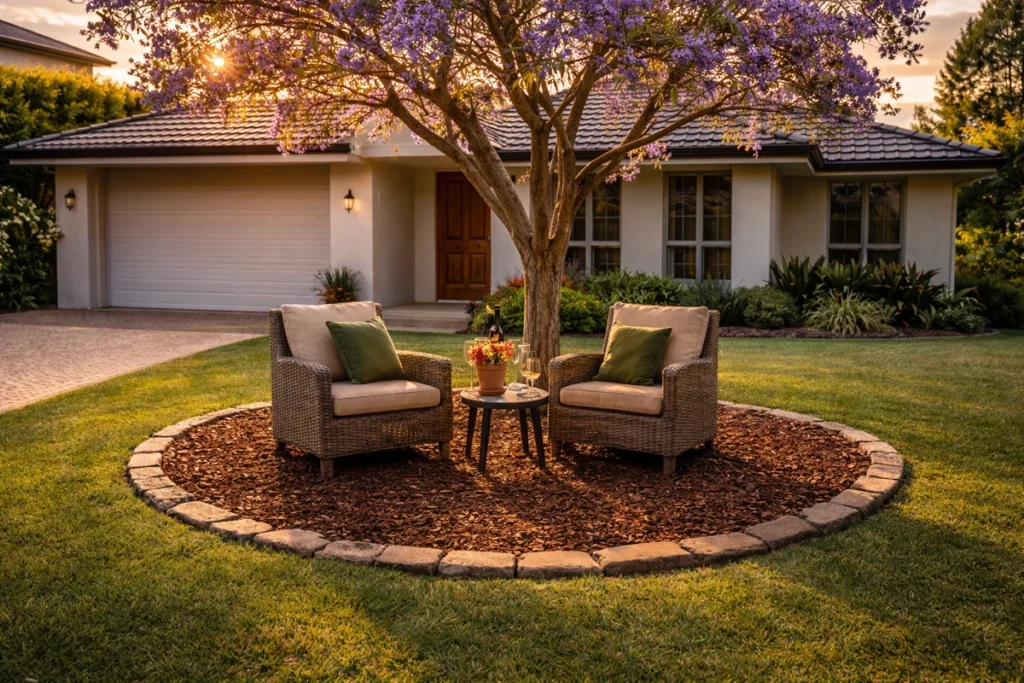
Say, simple garden beds with low-maintenance plants, or a clear path to the entrance can enhance your front yard. Maybe a focal point like a feature tree or garden bed grouping can create plenty of curb appeal without draining your entire budget on space you barely use.
Backyard Garden Design
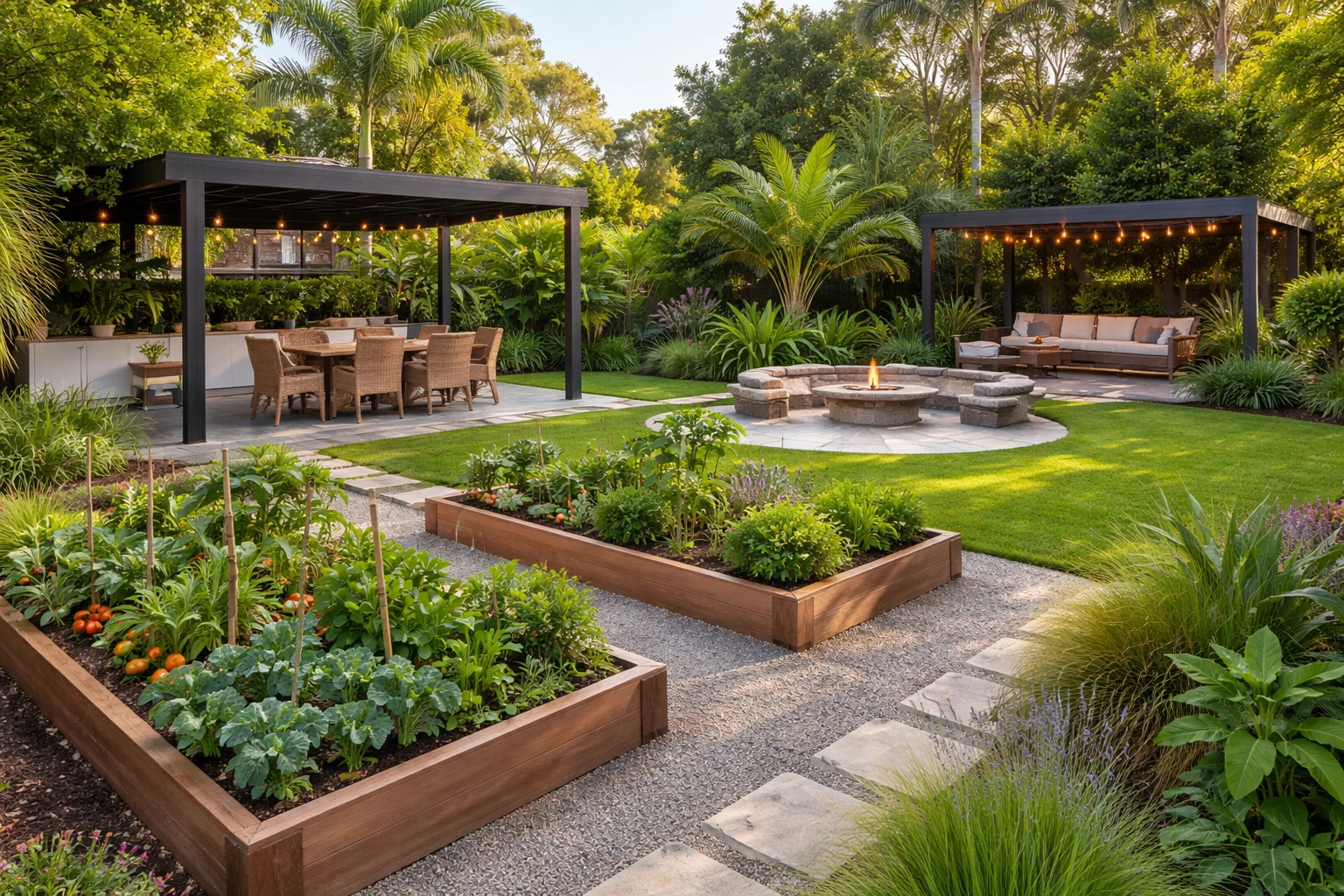
Your backyard is basically where you live outside. Which is why a functional fire pit area for winter nights, an outdoor kitchen setup for summer barbecues, or even a simple pizza oven builds more value than fancy hedges out front.
These living areas get used constantly, so they’re worth the investment in quality materials and careful planning.
Balance Saves Money Long-Term
A good balance is to split your budget roughly 40% front, 60% back if you want both areas looking good. This balance prevents regret when you realise you’ve built a stunning front garden but have nowhere to sit outside with a drink.
With this split, you’ll easily achieve a front yard that creates that initial visual interest and curb appeal, while your backyard becomes the outdoor living space where you actually entertain, relax, and spend weekends.
Your front garden needs maybe one or two focal points to create visual appeal without overwhelming the space. On the other hand, your backyard can handle more because you’re creating distinct outdoor areas for different activities.
Begin Your Path as a Garden Designer
Garden beds in poor locations, using cheap materials that fail quickly, and wrong plants for Brisbane’s climate all cost more every year through repairs and replacements. These landscaping mistakes seem small when you’re planning your outdoor space, but they become expensive headaches that drain your budget over time.
We suggest working with experienced professionals who understand Brisbane’s local conditions. It saves you from costly fixes down the track and helps you avoid the common mistakes that plague DIY landscaping projects.
Design Martus helps homeowners across Brisbane create gardens that last years without regrets. If you’re ready to plan your outdoor space, visit our site to discuss your landscaping project today.