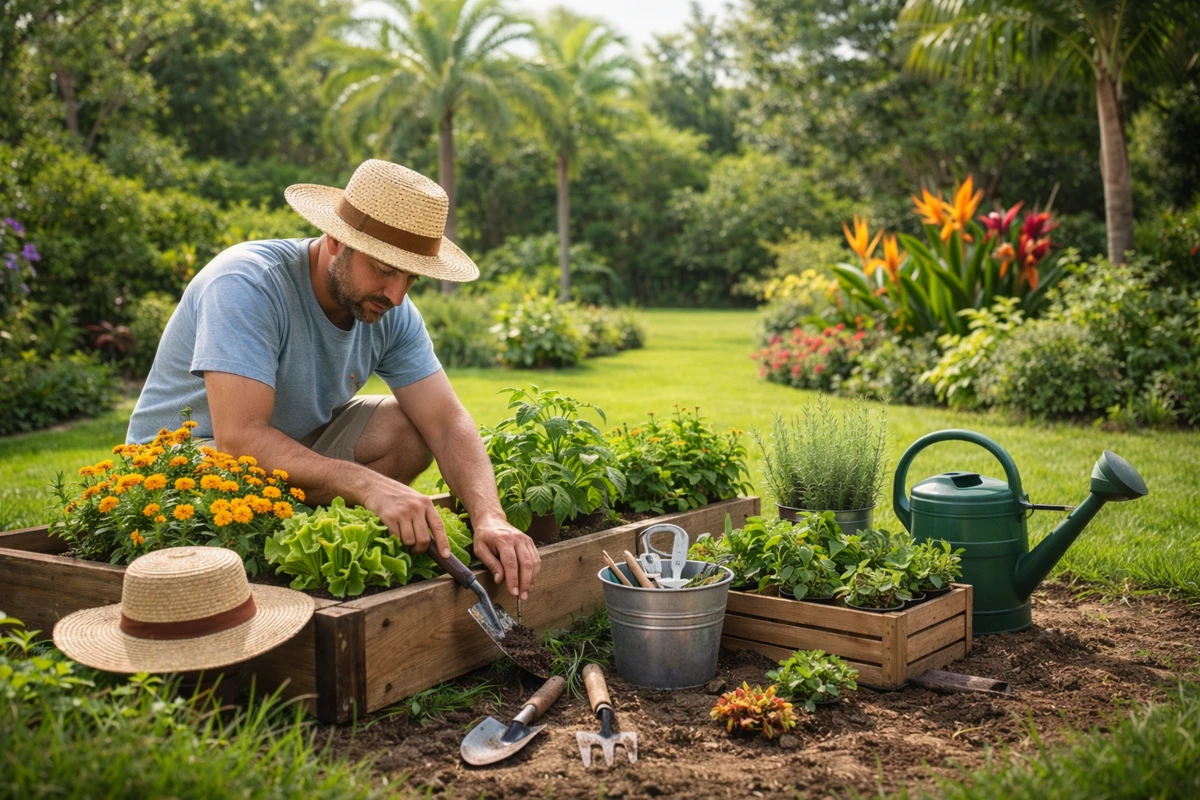
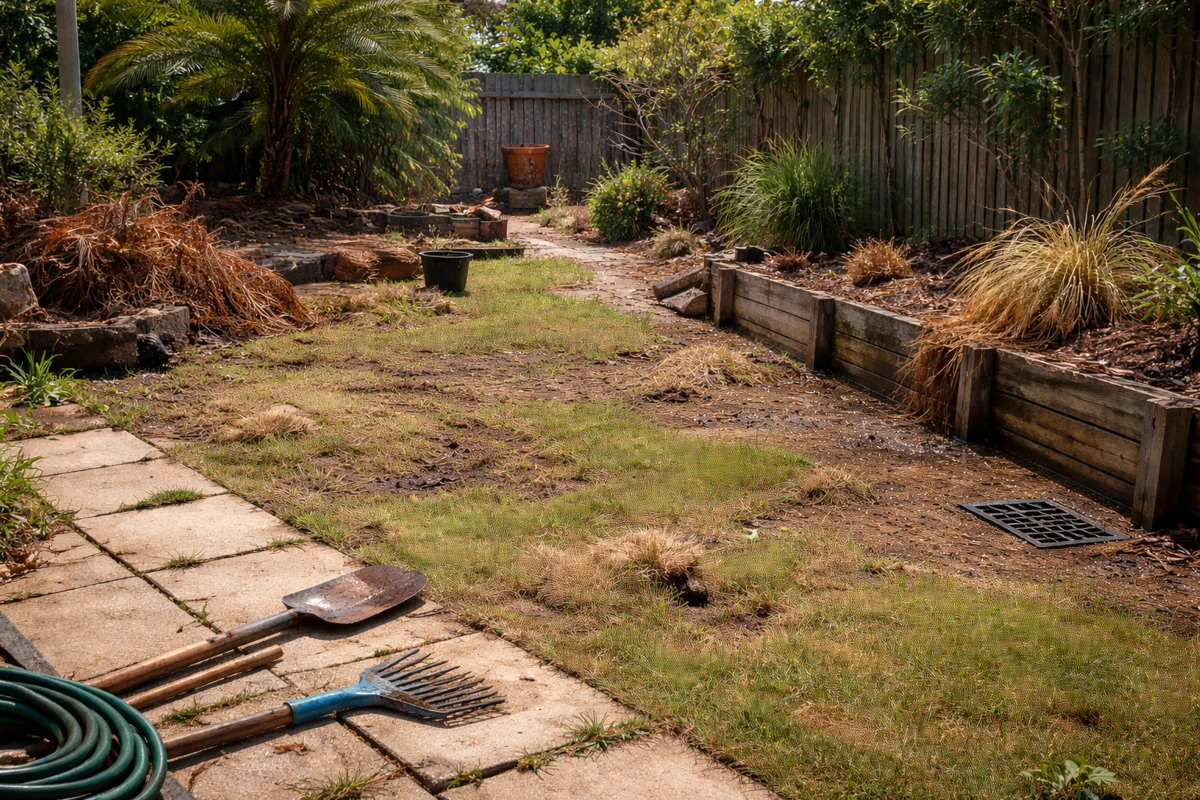
Brisbane’s subtropical climate swings between bone-dry summers and soggy winters, which means your garden needs dramatic changes throughout the year.
Because of that, Australians spend over $3 billion each year on DIY garden and landscaping products. However, a huge chunk of this budget goes towards band-aid fixes instead of preventing problems in the first place.
This guide will walk you through the specific tasks gardens in Brisbane need, from spring through winter. You’ll learn which months to add compost, when native plants establish fastest, and the way adjusting your watering schedule based on soil type saves money on replacements.
Let’s find out everything about taking care of your garden.
Seasonal Landscaping in Brisbane’s Subtropical Climate
Seasonal landscaping means adjusting your garden care based on Brisbane’s changing weather patterns throughout the year. Instead of doing the same maintenance tasks every month, you’re matching your work to what the plants need when temperatures and rainfall change.
Brisbane gets intense summer heat that pushes past 35 degrees, and mild winters that rarely drop below 10 degrees. Along with that, unpredictable rainfall can dump weeks of rain or leave you dried out for months. So your soil type and plant selection need adjusting as temperatures and humidity levels change.
For instance, sandy soil that drains effectively in winter can leave plants gasping during January heatwaves. On the other hand, clay soil holds moisture well in summer but gets waterlogged after winter storms.
In fact, landscape irrigation accounts for nearly one-third of all residential water use, which makes seasonal adjustments even more important in Brisbane’s subtropical climate.
Spring Garden Maintenance: Setting Up Your Outdoor Space
When you maintain your garden in spring, you’re basically preparing it for success before the brutal summer heat arrives. September through November gives you that sweet window where the soil is still moist from winter, while at the same time temperatures are climbing fast enough for plants to establish strong roots.
Here are the main tasks to tackle during spring.
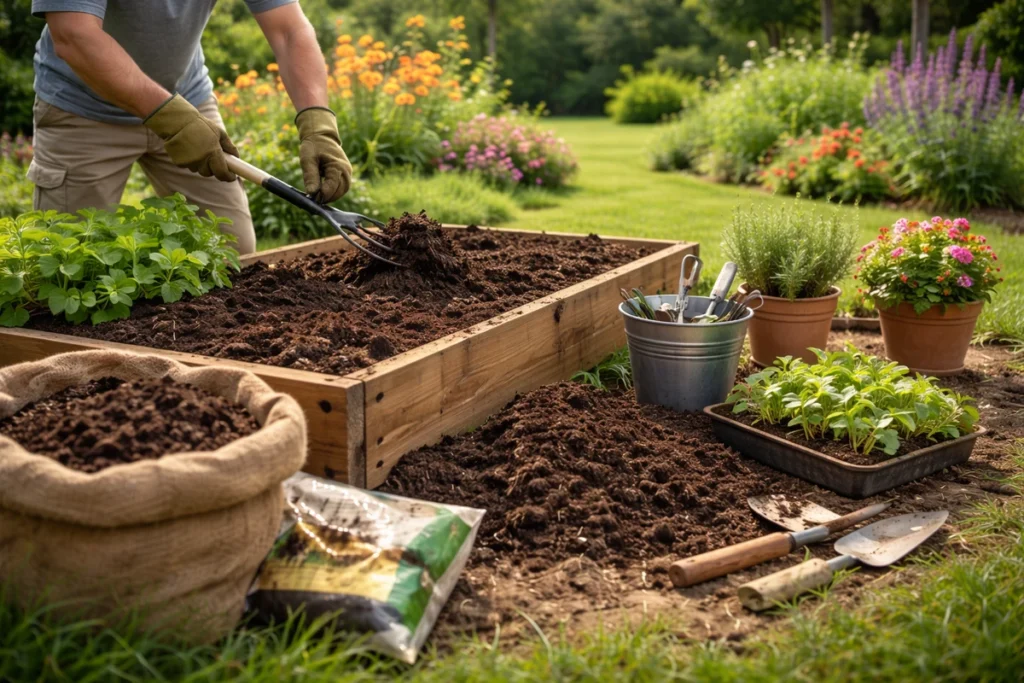
Soil Prep and Adding Organic Ingredients
Sandy soil in areas closer to the bay needs organic components mixed in deep to help it hold moisture through summer. And spring gives you that perfect time to fix compacted areas before summer heat bakes everything solid.
Before that, test your soil type to figure out if you need amendments for drainage or water retention. For example, clay soil around suburbs like Paddington benefits from adding gypsum and compost to break up compaction.
Pro Tip: Mix compost or aged manure into your garden beds to boost nutrients after winter dormancy. This improves soil structure, supports healthy root growth, and helps plants absorb water and nutrients more efficiently.
Native Plants for Subtropical Springs
Brisbane natives like grevillea, lomandra, and callistemon give you easy establishment during the spring months. We’ve planted hundreds of grevilleas across Paddington properties, and September plantings consistently outperform summer attempts.
These plants tap into Brisbane’s spring humidity and warm soil to push out roots quickly. And once their plant roots are established, they need way less water than exotic species and attract local wildlife like rainbow lorikeets.
In fact, research shows that native plants adapted to local climate can reduce outdoor water use by 20 to 50% compared to non-native species, making them low-maintenance for Brisbane’s rainfall patterns.
Managing Green Waste and Composting
Spring cleanup generates heaps of material that’s perfect for building compost. Especially, worm farms work brilliantly in Brisbane’s climate. They turn kitchen scraps into liquid fertiliser within weeks, and create waste that provides food for your soil.
Plus, research shows composting organic waste can reduce greenhouse gas emissions by up to 47% compared to sending it to a landfill, which makes those worm farms and compost bins worth the effort.
Pro Tip: Set up a compost bin or worm farm to turn your spring garden clippings into organic matter for next season. It will reduce waste and give you a steady supply of nutrient-rich compost for future planting.
Keeping Your Healthy Garden Alive Through Brisbane Heat
As Brisbane summers get as high as 35 degrees, it separates the survivors from the goners fast. Particularly, December through February test every plant in your garden, and the ones that make it usually get watered at the right time with the right amount.
This is what keeps plants alive when the heat cranks up.
Watering Schedules for Different Soil Types
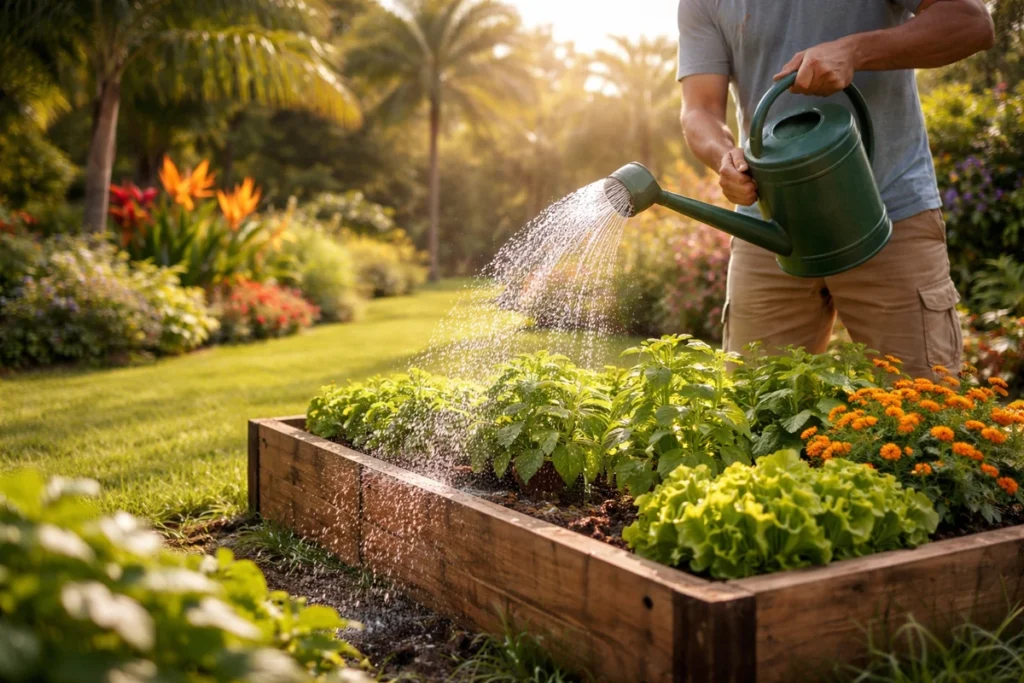
Sandy soil drains fast and needs watering every 2-3 days during hot spells. The water rushes straight through and doesn’t hang around long enough for plant roots to soak it up properly. However, most folks get this backwards. They water sandy soil the same as clay, and wonder why their plants look crispy by lunchtime.
On the contrary, clay soil holds moisture way longer but can become waterlogged if you overdo it. We recommend checking the top few inches of the ground before watering. If it’s still damp, skip it.
Pro Tip: Water deeply in the early morning. It reduces evaporation and prevents fungal issues that love warm, wet conditions overnight.
Heat-Tolerant Groundcover and Living Mulches
Sweet potato vines, warrigal greens, and creeping thyme protect soil from sun damage during summer. Generally, sweet potato groundcover survives January heatwaves that fry everything else. We’ve seen it happen across dozens of client properties where the groundcover stayed green while everything around it turned brown.
Similarly, living mulches keep roots cool while providing food or beauty to your outdoor space. They act like a natural mulch layer that reduces water needs compared to bare soil and prevents weeds from germinating in the heat.
The plants also create their own shade for the ground underneath, which drops soil temperature by several degrees and helps retain moisture during drought conditions.
Autumn and Winter Landscape Maintenance Essentials
Autumn and winter are the easiest seasons for landscaping in Brisbane because plants aren’t stressed by heat. Especially, March through August gives you cooler weather that makes every garden task simpler.
Take a look at what works best during these months.
Lawn Care and Fertilising Routines
Slow-release fertiliser in autumn can strengthen grass before the winter slowdown. After years of maintaining gardens around West End and Highgate Hill, we’ve found autumn feeding produces the thickest winter growth. The grass soaks up nutrients while it’s still actively growing and stores them for the cooler months ahead.
You may reduce mowing frequency as growth slows, but keep the blades sharp for clean cuts. Dull mower blades tear grass instead of cutting it, which leaves brown tips and opens up wounds for disease.
Pro Tip: Aerate compacted lawns and overseed thin patches while the soil is still warm from summer. This helps seeds establish faster and improves water absorption.
Planting Trees and Shrubs in Cooler Weather
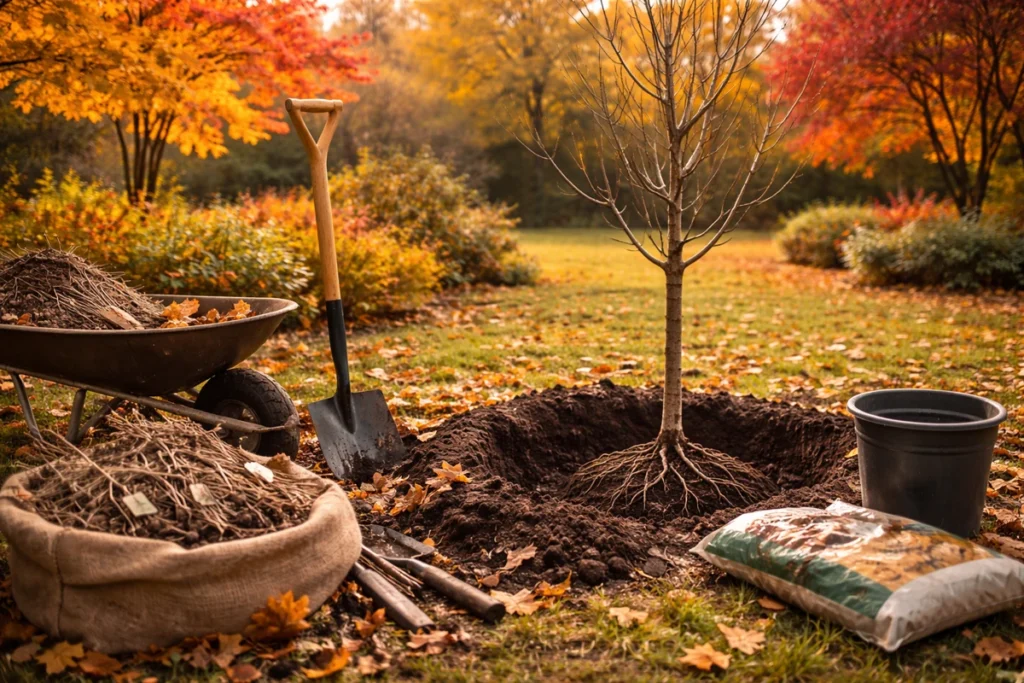
Winter becomes your best friend for planting trees and shrubs since they establish without heat stress. The cooler weather and regular rain mean less watering and healthier root development before the next summer rolls around.
For instance, deciduous trees lose their leaves in autumn. This makes them perfect for winter planting since they’re dormant and won’t struggle with transplant shock.
You can also consider mulch around the base of new trees and shrubs to protect roots from cold snaps. It’s because Brisbane winters rarely get harsh, but those few cold nights can stress young plants. So a good layer of mulch keeps weeds down and holds moisture in the soil during dry winter stretches.
Your Garden Deserves The Best Attention
Seasonal work only requires you to know the timing of your garden care. When you match your maintenance to Brisbane’s climate, plants stay healthier, and you spend way less on replacements. A well-prepared spring garden makes summer maintenance simpler, while autumn preparation reduces the work you need to do through winter.
So start with the current season’s tasks and build from there. Even small changes like adding organic elements in spring can make a noticeable difference. You’ll see your garden respond fast when you work with Brisbane’s weather instead of against it.
If you’d rather hand over the seasonal planning to someone who knows Brisbane gardens inside out, Design Martus handles landscape maintenance for residential properties across the city. We’ll keep your outdoor space looking its best year-round.