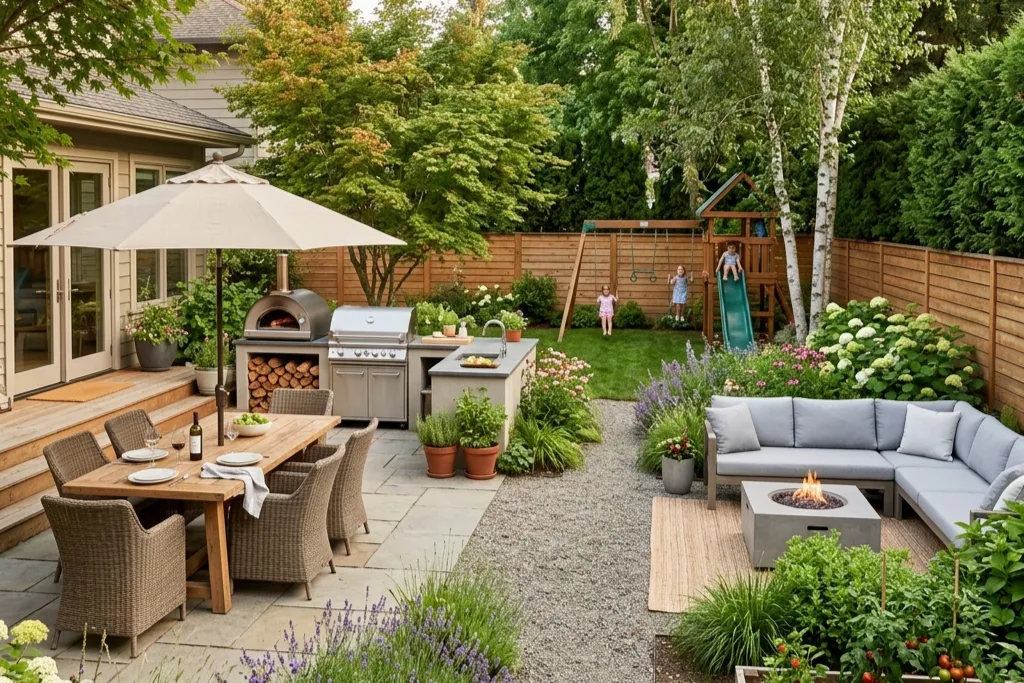
When homeowners choose plants before thinking about how they live, the finished garden rarely gets used. In fact, great landscape design starts with how you live, because a space planned around your lifestyle costs less to maintain and lasts longer.
At Design Martus, we’ve worked with Brisbane homeowners across all budgets and block sizes, and we’ve seen that the happiest clients always started with a lifestyle brief. A well-planned modest garden outperforms an expensive one built around the wrong brief every time.
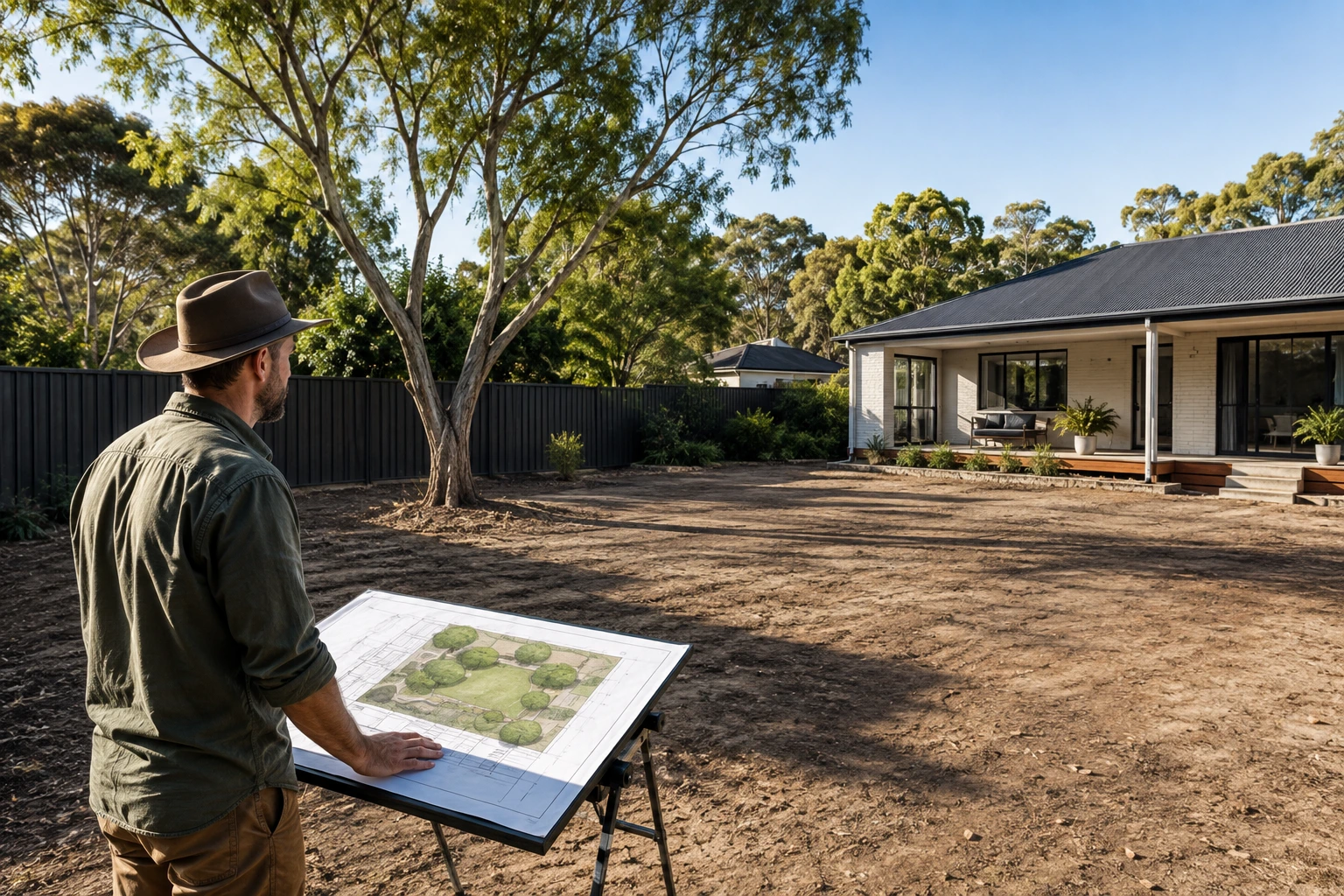
In this guide, we’ll cover lifestyle planning and garden design first, then get into retaining walls, water features, and planning for the years ahead. Let’s get into it.
Landscape Design Starts With How You Live
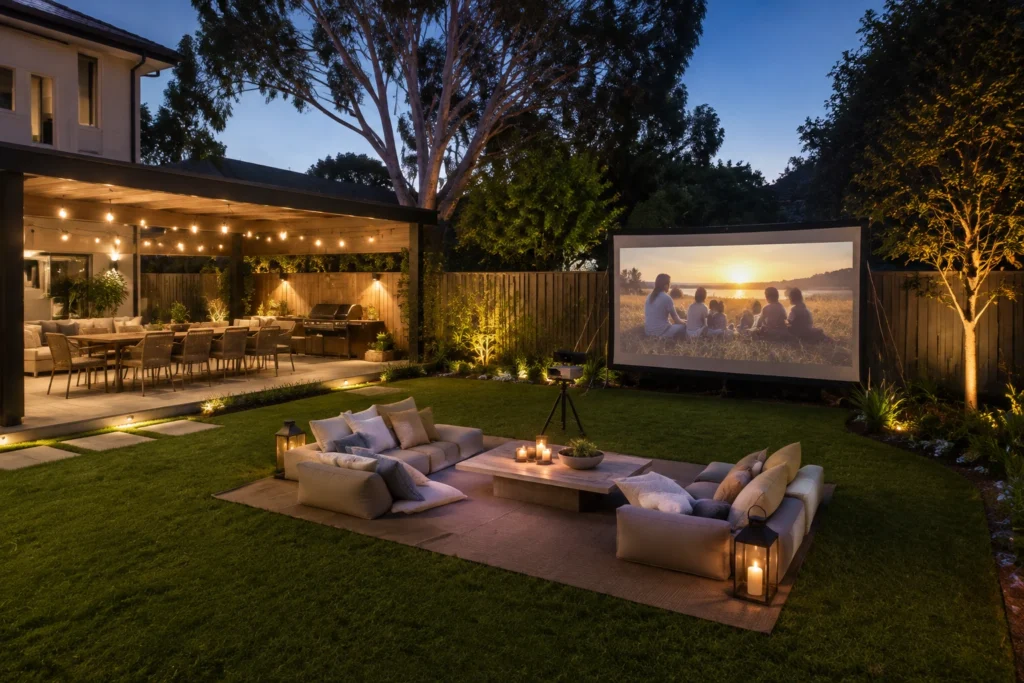
Your outdoor space has to work around the people living in the house, and that looks different for every household. For example, a young family needs an open lawn and safe pathways, while a couple who entertains needs a patio with good lighting and room to move.
The brief also determines your budget priorities. A household that entertains weekly needs to spend more on paving, lighting, and outdoor structure than on planting, and knowing that early prevents costly mid-project changes.
After years of working with local residential projects, we’ve found that clients who started with a lifestyle brief consistently used their gardens every day. The ones who skipped that step were back in touch within two years asking about changes.
So before anything else, ask yourself one question: how does your household use outdoor space on a typical day?
What Does Your Outdoor Area Need to Do?
Your outdoor area needs to handle daily foot traffic, weekly entertaining, or both, depending on who’s living in the house. To put that into perspective, let’s compare the needs of a young Brisbane family with those of a couple who entertain every weekend:
Families With Kids and Pets
A backyard for young kids and pets needs open lawn, clear pathways, and shaded areas for the warmer months.
If you’ve ever watched a toddler trip on an uneven garden edge, you know how quickly a beautiful yard becomes a hazard. A layout that doesn’t account for those needs creates safety risks and garden damage within the first year. By the time it becomes obvious, the fixes are expensive and disruptive.
Couples and Entertainers
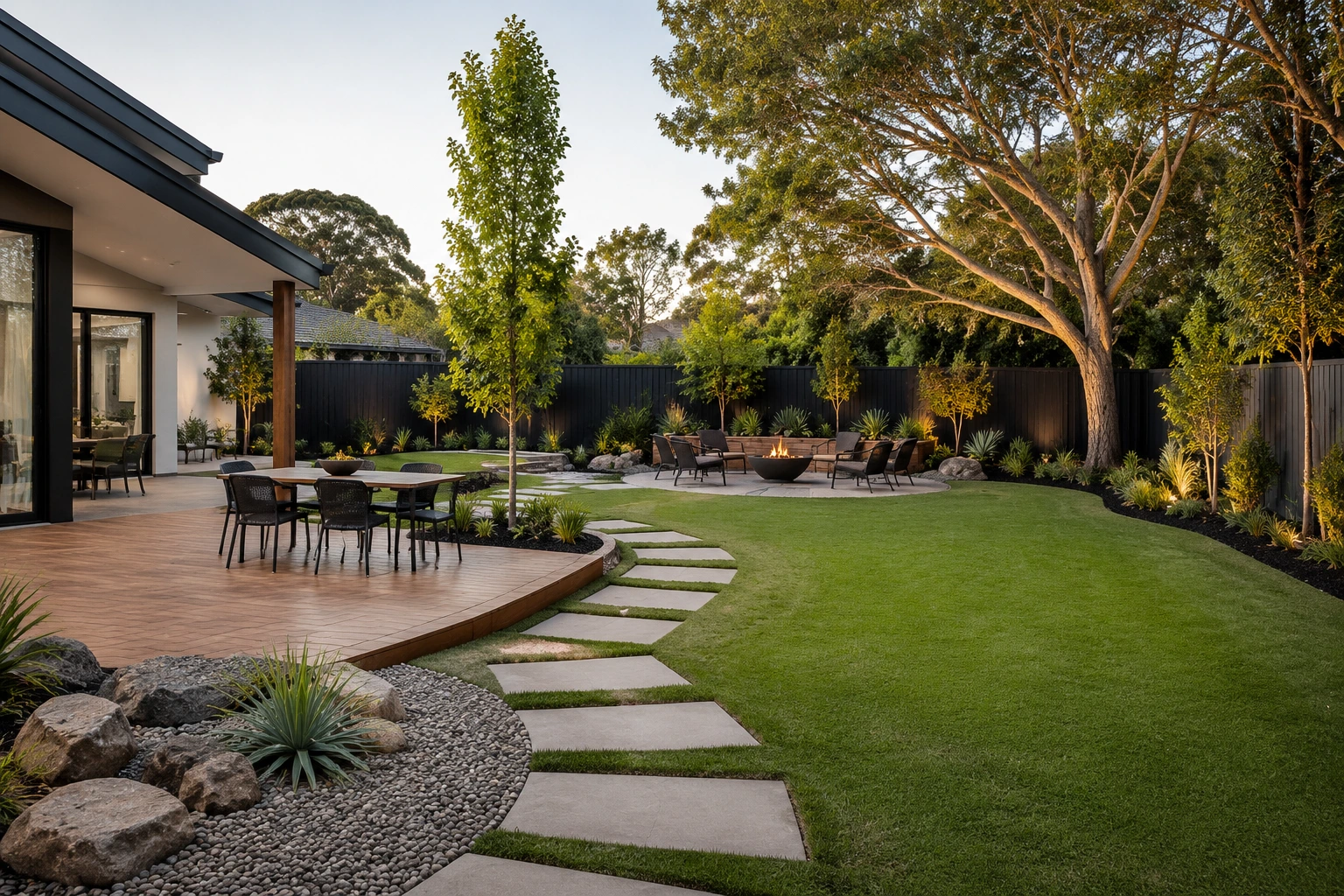
A yard that supports entertaining needs a patio, good lighting, and a direct flow between the kitchen and the outdoor dining area.
We hear from many couples about this regularly, usually after the first dinner party where someone spent the whole night shuttling plates through a sliding door. That frustration often starts with a layout that doesn’t consider how the space will actually be used.
The Garden Design You Love Might Not Fit Your Lifestyle
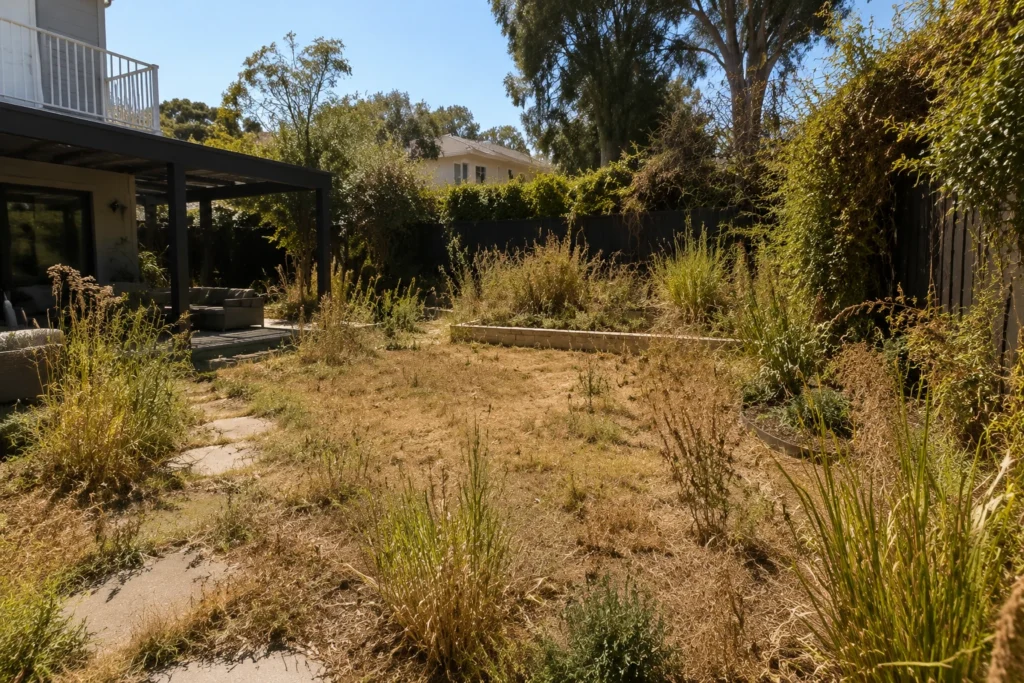
The garden inspiration you saved on Instagram could cost you four hours of upkeep every single week. We’ve seen beautifully built gardens in Paddington sit brown and overgrown by the second summer because the maintenance load didn’t fit the household.
So to avoid that, run through these checks first:
- Ongoing Maintenance Load: Formal hedged gardens need a professional trim every four to six weeks, while native plant gardens need attention two or three times a year. For a Brisbane household paying $80 to $150 per visit, those extra visits cost thousands more each year.
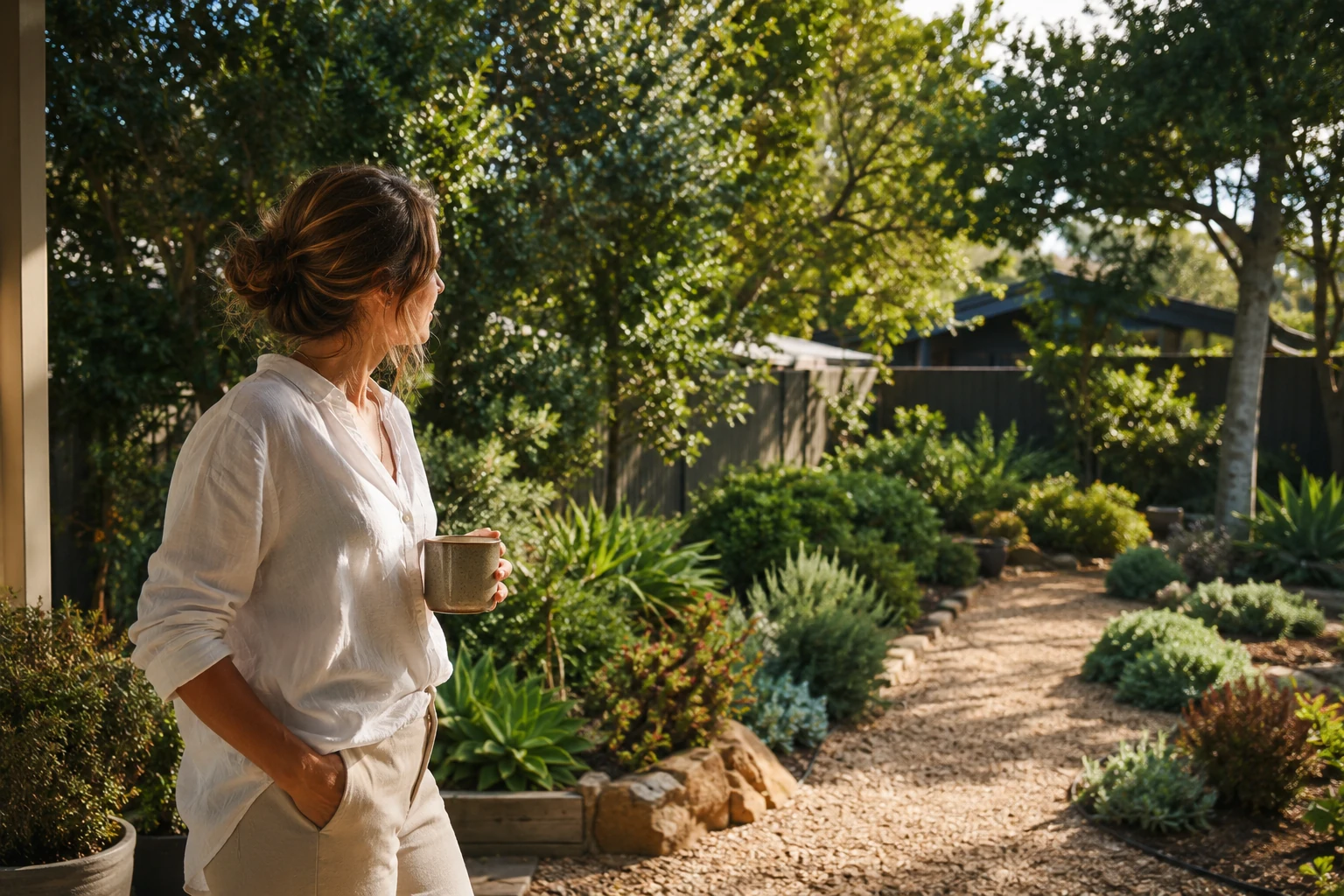
- Plant Selection and Climate: Native plants suited to Brisbane’s subtropical climate generally need less water once established, and many are naturally drought-tolerant. That means you’ll spend less time watering and pruning, and a lower water bill every quarter.
- Your Weekly Time Budget: Your weekly time budget should come first, and the garden design should follow from that number. A low-maintenance garden that fits your schedule will stay in good shape, while a high-maintenance one without the time to care for it deteriorates within two years.
The Australian Government’s Landscaping and Garden Design guide outlines how sustainable choices reduce maintenance demands over time (a useful reference before committing to any planting plan).
Can Retaining Walls Change Your Outdoor Living Space?
Yes, and on a sloped block, they can double your usable space. Without retaining walls, most sloped Brisbane blocks don’t have enough flat ground for a patio, lawn, or paving. In suburbs like Paddington or Red Hill, walls go in before anything else.
A well-designed retaining wall also creates room for shade structures, garden beds, and wildlife-friendly planting along the boundaries. In fact, CSIRO‘s Greening Our Cities research highlights the cooling benefits of tree canopies.
Trees can provide shade for people outdoors and reduce temperatures beneath the canopy. That makes shade and boundary planting useful additions when you’re designing an outdoor space people will actually want to use.
In our experience, homeowners and designers rarely factor drainage into the initial retaining wall brief. That oversight is what we see cause the most damage. Water that has nowhere to go finds its way under nearby concrete and paving, and the repair bill is rarely small.
What to Sort Out Before Adding a Water Feature or Pool
Of all the outdoor living additions, pool surrounds and water features demand the earliest decisions.
Pool surrounds and water features need drainage, fencing, and council compliance locked in ahead of construction. A landscaping project that skips these details mid-build can cost weeks of delays and thousands in rework.
The table below outlines the most common mistakes for each element and the right move for each one.
Element | Common Mistake | What to Do Instead |
Pool surrounds | Leaving fencing and drainage as afterthoughts | Sort drainage and council approval early (Brisbane City Council enforces QDC MP 3.4 for all residential pools) |
Water features | Ignoring pump access and paving proximity | Plan drainage and pump placement at the very beginning |
Homeowners who’ve been through a delayed build know how quickly one missed detail affects the whole project. It’s rarely just a week’s delay, either. One compliance issue can delay every trade behind it. Our guide on planning mistakes that delay projects breaks down exactly how that sequence plays out.
What Will Your Garden Need in Five Years?
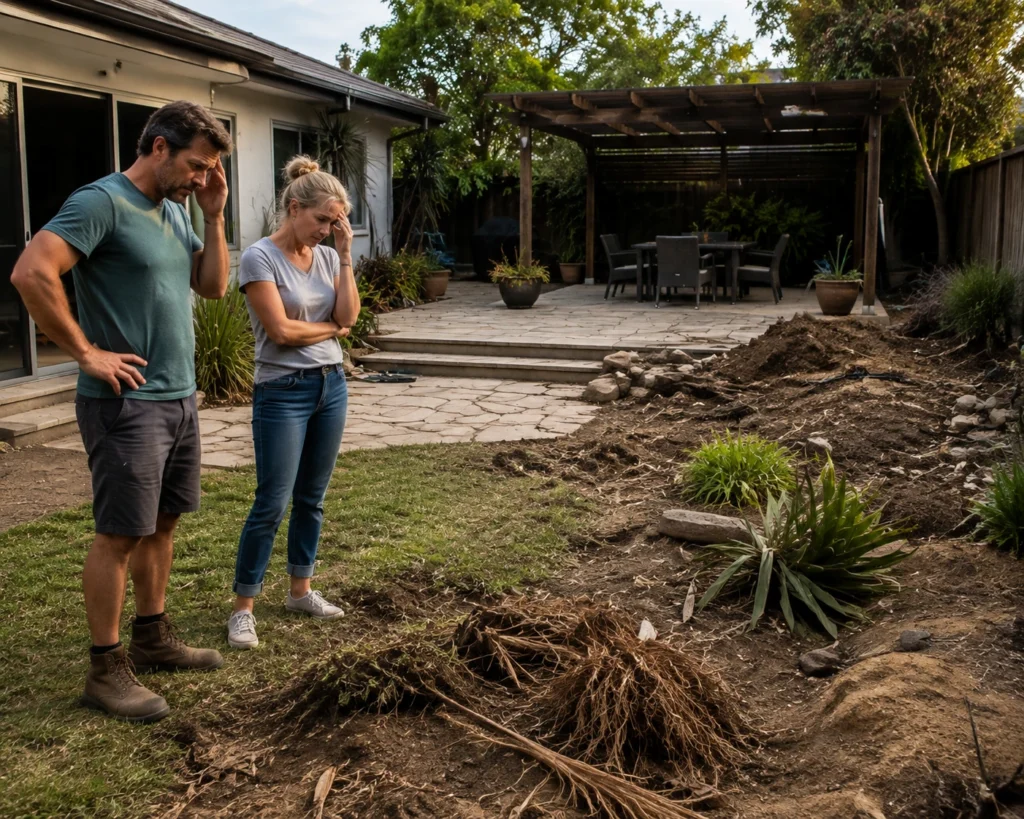
Five years from now, a garden you build around today’s household can feel completely wrong for the people living in it. By then, the priorities have shifted to shade, a low-maintenance patio, less lawn, and planting that doesn’t need weekly attention. And retrofitting all of that into an existing garden is rarely cheap.
Take a typical Brisbane family. Kids outgrow open lawn, and what worked well at 35 feels completely wrong at 50. You can’t landscape your way out of a planning problem, even if the garden looks right after installation.
Let’s be real, a professional who plans for future changes saves you both money and disruption down the track. If you want a garden that largely looks after itself, native plants that grow well in Brisbane’s climate will be your best starting point. They need less water and pruning, and bring local wildlife into your garden as they mature.
Good Planning Today Saves a Full Redesign Later
As we’ve discussed, your outdoor space should work as hard as you do. The only way to get there is to plan it around your life. We’ve seen how frustrating it is to love a new garden and feel completely let down by it two summers later.
To make the process clearer, this guide covered lifestyle planning, garden design, retaining walls, and water features. Then it looked at how to plan your outdoor space for the long term. All that’s left is finding the right team to bring it to life.
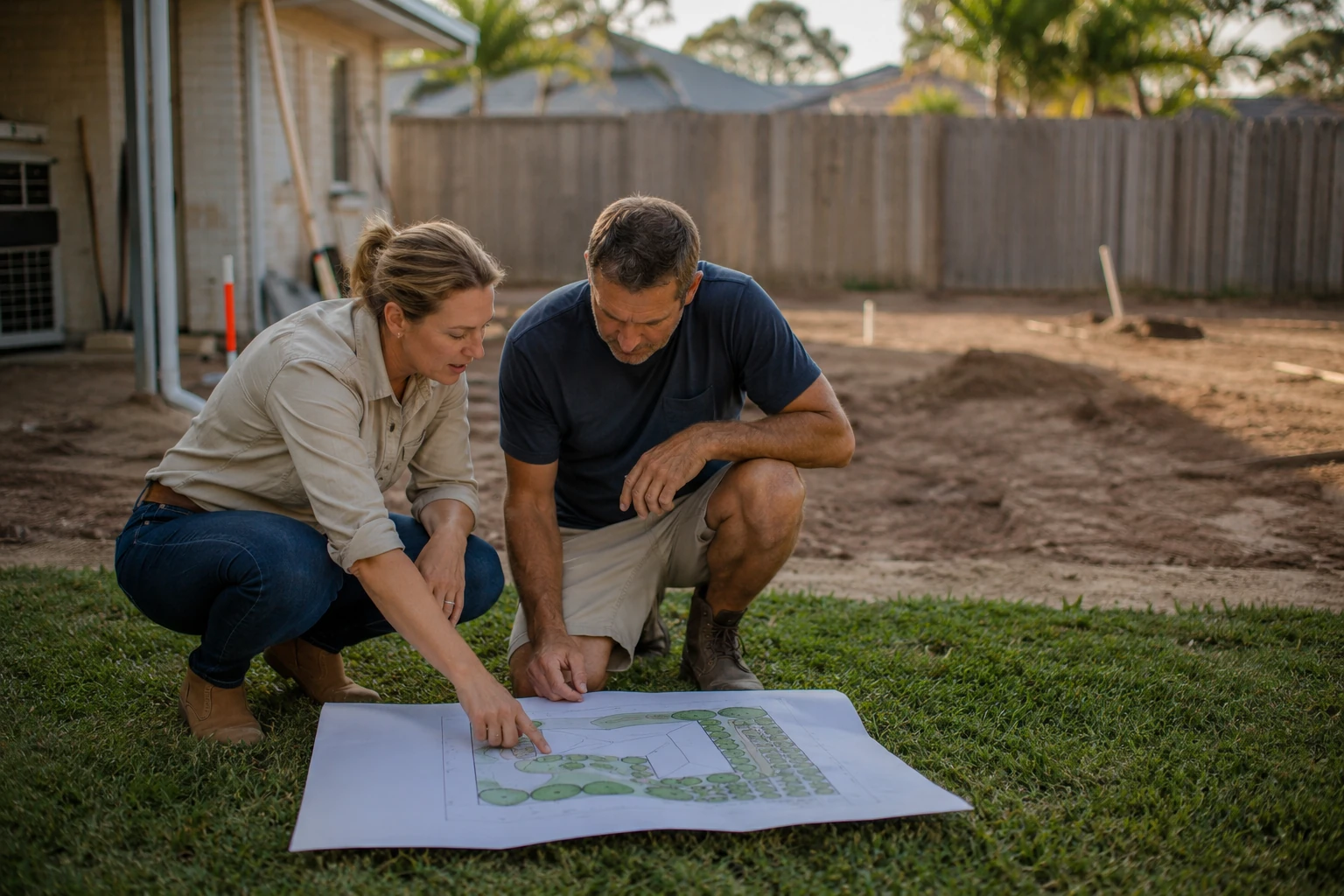
Design Martus works with Brisbane homeowners through every step of the planning and build process. Our team covers lifestyle, maintenance, and future needs upfront, so nothing gets rebuilt two years down the track.
Get in touch with Design Martus today.