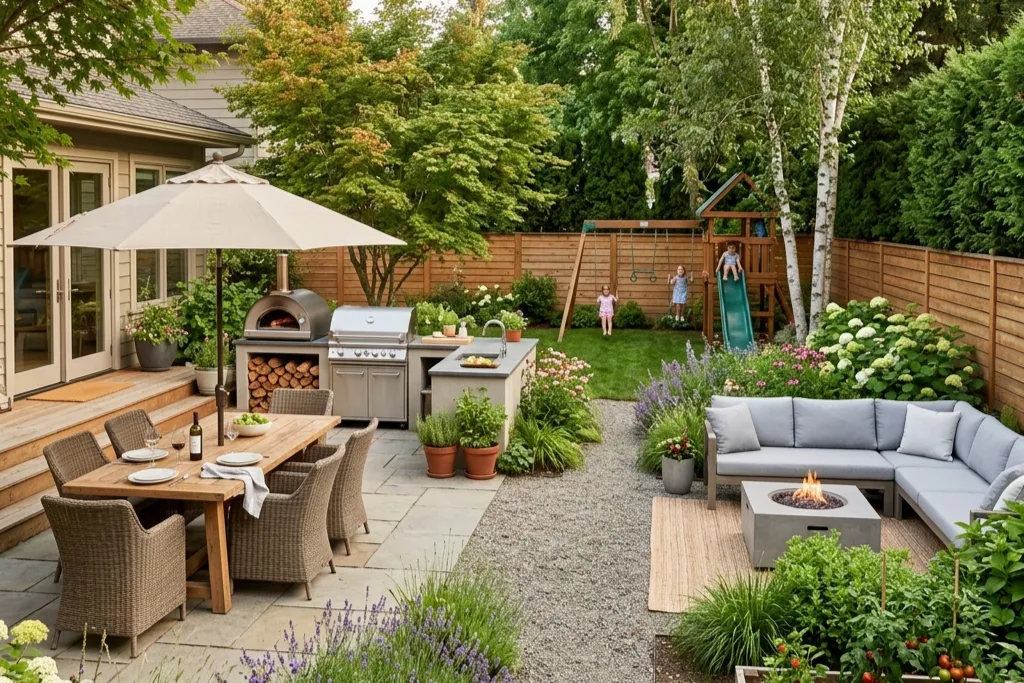
Garden water features change the feel of an outdoor space by adding sound, movement, and a sense of calm that plants and furniture alone cannot provide. In fact, the International Journal of Environmental Research and Public Health found that the sound of flowing water lowers stress and lifts overall wellbeing.
Still, a lot of Brisbane backyards look good on paper but lack comfort and functionality. And scrolling Pinterest for garden ideas doesn’t help either, since every second image pulls you somewhere different.
So in this article, we’ll walk through how water features work in different garden styles. You’ll also learn how to pick one that fits your lifestyle and what to consider before you install one.
Designing Garden Water Features That Complement Your Landscape Design
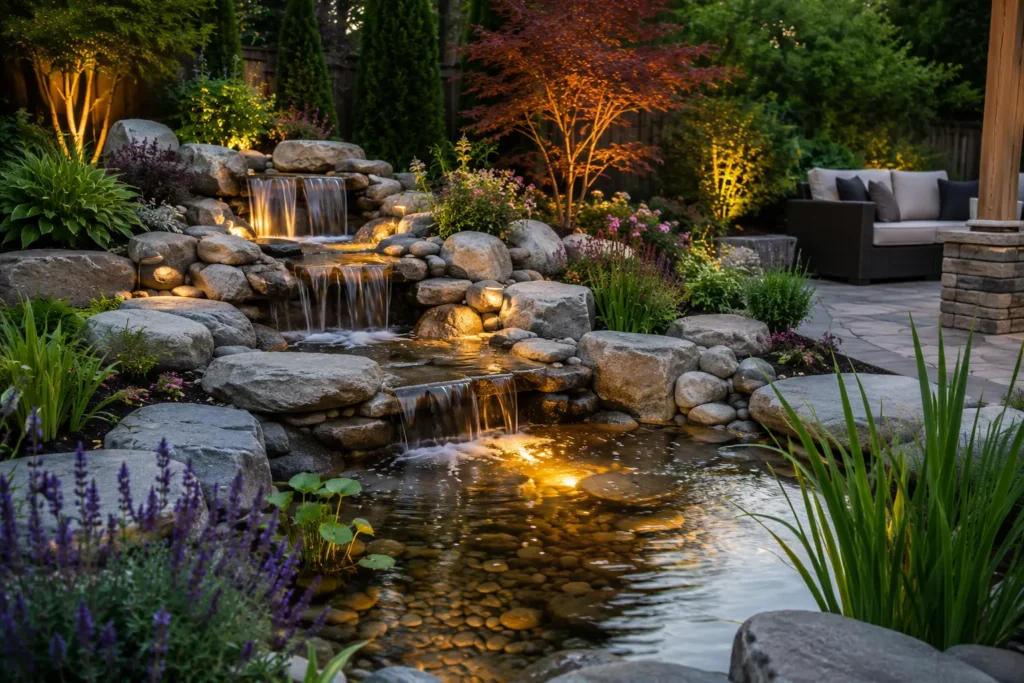
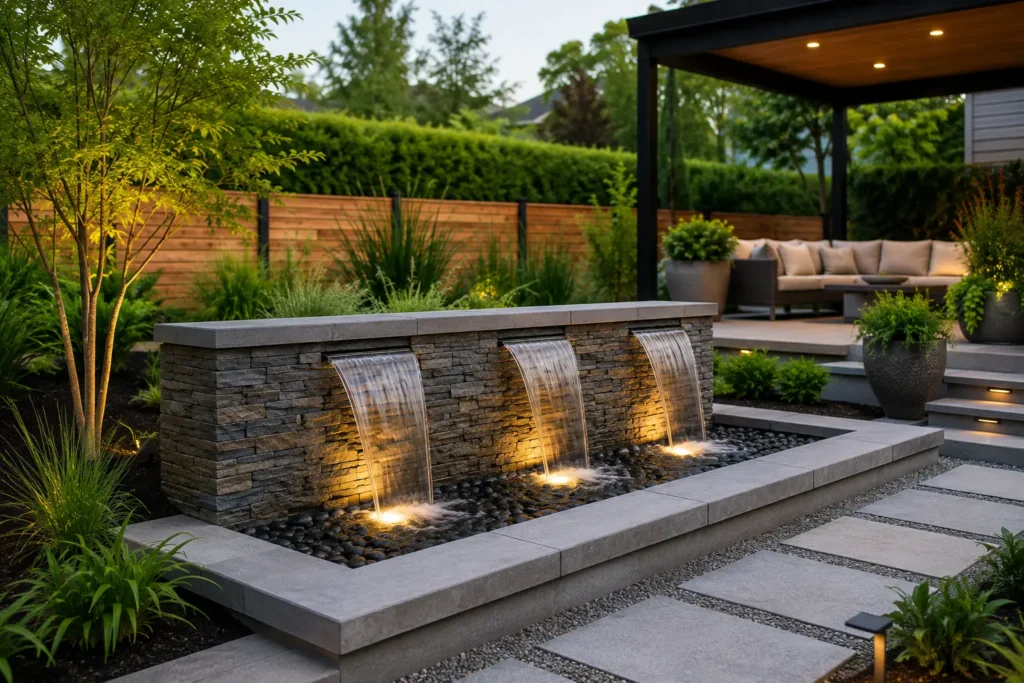
The right water feature changes how your outdoor space looks, sounds, and feels. It adds a layer of calm and character that plants and furniture can’t offer by themselves. For example, a wall fountain can become a striking focal point near a patio.
Here are some practical ways to get it right from the start.
What Water Features Bring to Your Garden
A fountain or pond gives your garden a natural focal point that draws the eye straightaway. Moving water also attracts birds, bees, and other helpful insects like ladybirds and dragonflies, so your backyard starts to feel alive in a way it didn’t before.
That extra movement and sound naturally pull people outside for longer. We’ve seen it with our own clients. A simple bubbler near a dining area encouraged people to spend more time on a patio that was rarely used before.
On top of that, well-maintained water features can lift how buyers see your property. It can help your home stand out during inspections and create a stronger first impression.
Choosing Garden Water Features That Suit Your Lifestyle
A small courtyard needs a very different feature from a large open backyard. If space is limited, a wall fountain or self-contained bubbler works well without eating into your outdoor living area. These options recirculate water through a pump and basin, so they don’t need a separate plumbing connection.
Bigger gardens, on the other hand, have more room to play with. So you can add a pond or stream to add depth and a natural feel to your garden design. And you can surround it with native plants like bottlebrush and grevillea to tie the whole space together.
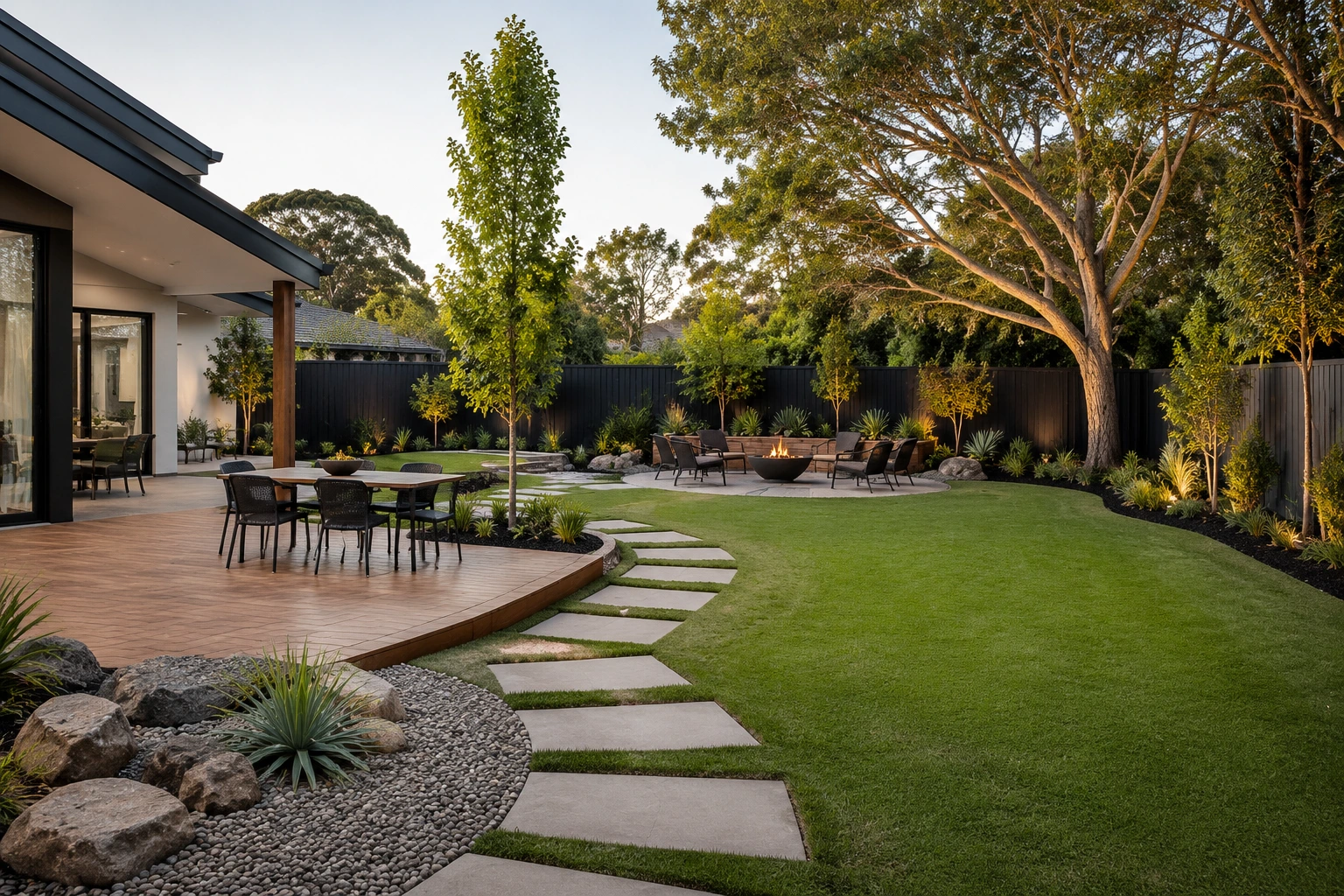
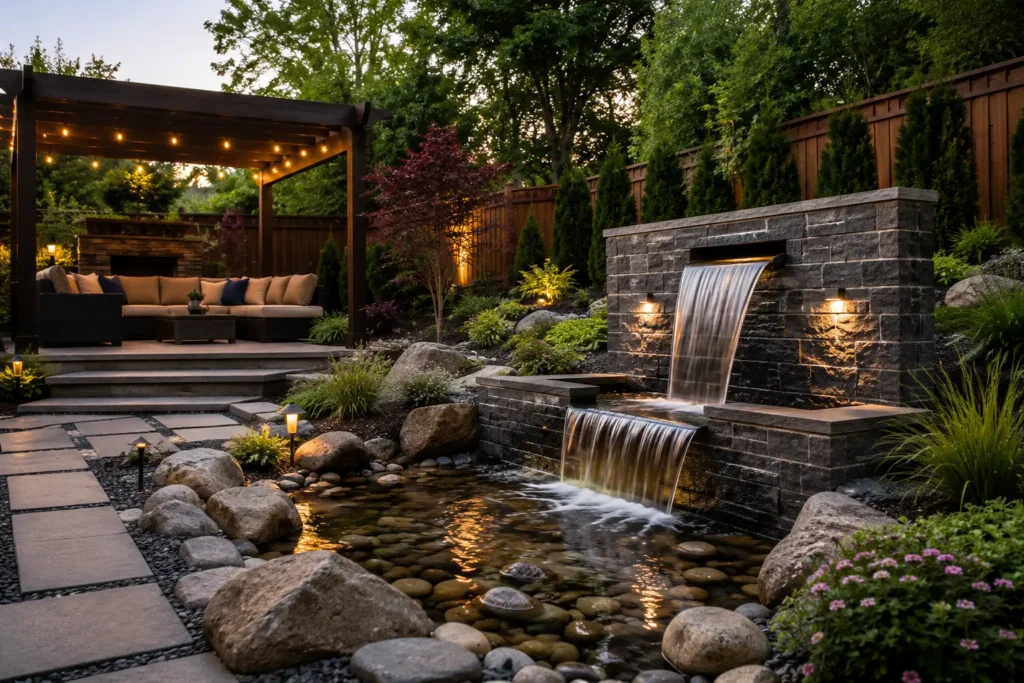
Style is worth thinking about too. For example, a sleek bowl suits a modern home, while a rock waterfall fits a more relaxed, natural setting.
And if you have young kids, a pondless feature or shallow bubbling rock is a safer choice. Pondless means the water collects in a hidden underground reservoir instead of sitting in an open basin, so there’s no standing water for little ones to fall into.
The aim is to pick backyard water features that match your lifestyle and sit well alongside what you already have.
Common Landscape Design Mistakes to Avoid
Even a good-looking water feature can miss the mark if the planning falls short. Based on our experience with outdoor projects across Brisbane, these are some common issues worth watching for:
- Oversized Features: A large fountain in a small courtyard can overwhelm the space and make the garden feel unbalanced. Before choosing a water feature, measure your area and pick a size that fits comfortably with the rest of your garden design.
- Poor Positioning: You want to see and hear your water feature from where you sit most often. If it’s tucked behind a shed or buried in a far corner, you won’t enjoy its soothing sounds, visual appeal, or calming effect.
- Ignoring Wind Direction: Exposed spots can cause water spray to drift and increase evaporation (meaning you’ll need to refill the feature more often). Sheltered areas near a fence or wall usually help reduce water loss and work better than exposed locations.
- Difficult Maintenance Access: Every pump and basin needs cleaning from time to time. So before you install, make sure you can actually reach the equipment without pulling the whole garden apart.
- Visible Pumps and Plumbing: Nothing ruins the look faster than a pump sitting out in the open. Hidden access panels or buried pipework keep things looking clean from every angle.
- Clashing With Your Home’s Style: A rustic stone waterfall beside a modern glass extension feels out of place. In other words, your feature should complement the architecture, instead of competing with it.
A bit of planning at the start can save you from expensive fixes down the track. So get the size, position, and style sorted before anything goes into the ground.
How to Plan Water Features as Part of Your Outdoor Renovation
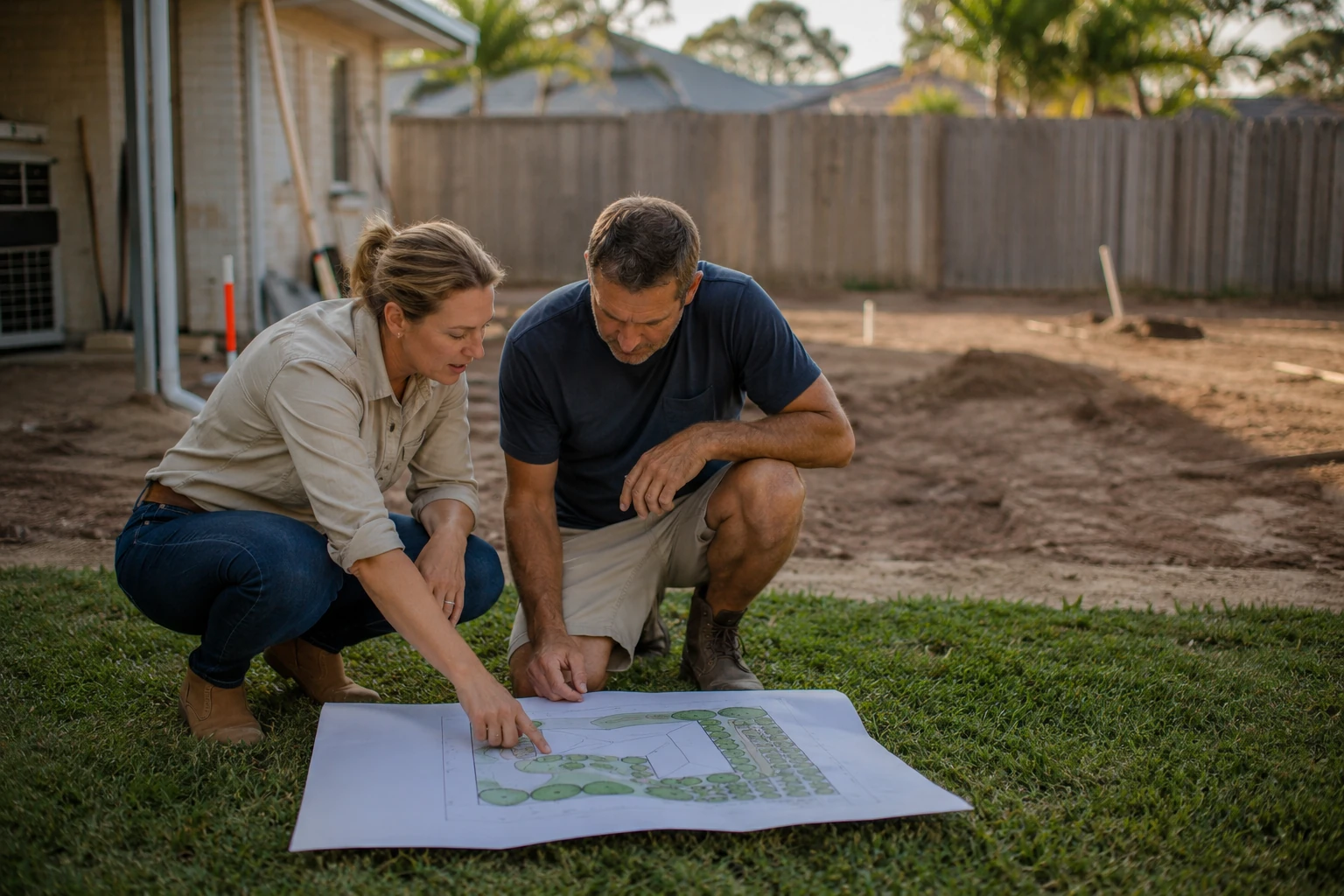
A water feature works best when you plan it alongside the rest of your garden, rather than after everything else is already in place. So here’s how to approach the planning .
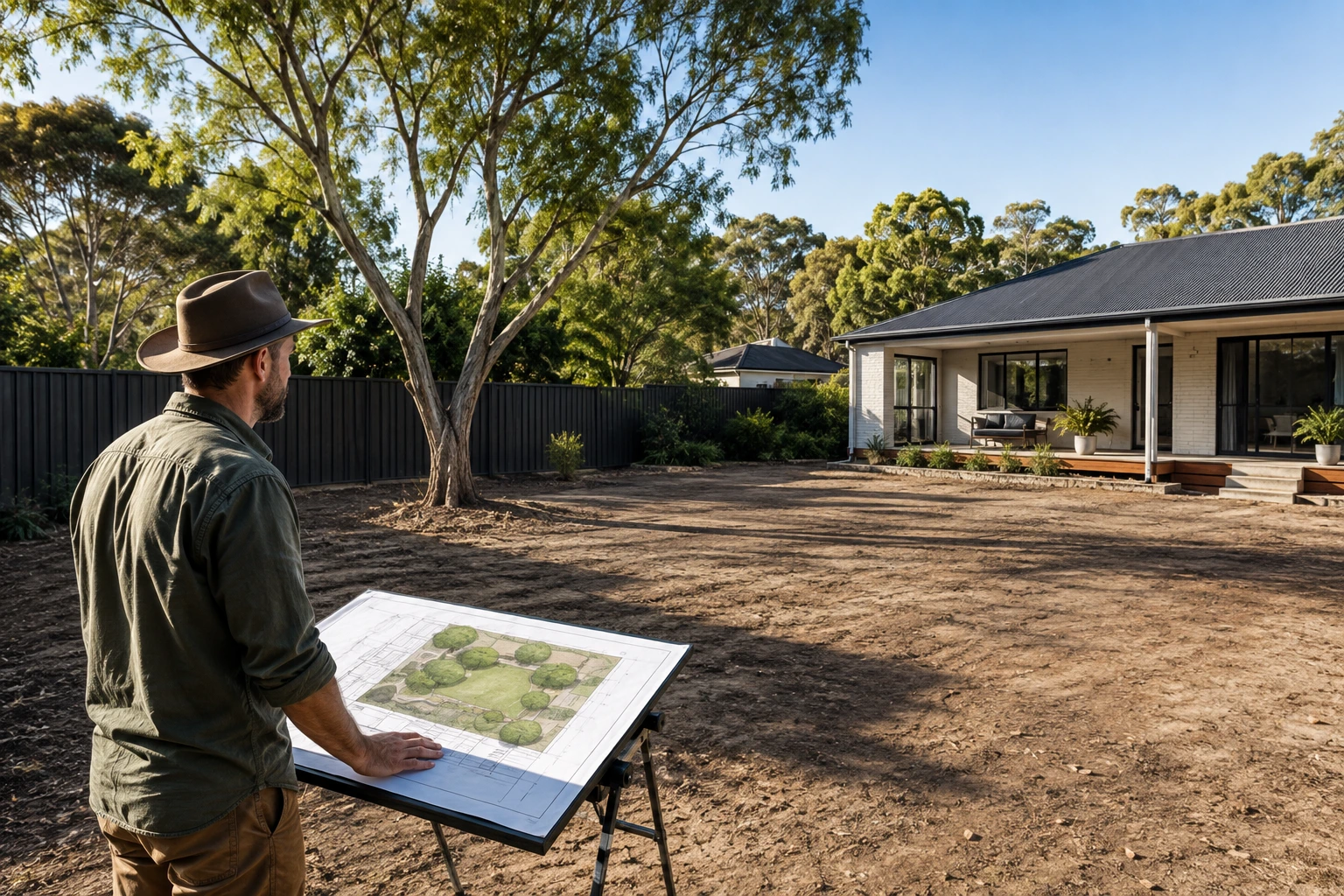
Start with the Overall Landscape Design
Adding a water feature after your garden is already finished can create extra work. You may need to adjust paths, drainage, or garden beds to make room for it (which can add more time and cost).
In contrast, planning the water feature from the beginning means you can create a layout where entertaining areas, plants, and walkways all work together around the feature.
This approach helps your garden feel more balanced and connected, rather than looking like separate elements added at different times.
How Landscape Design Services Deliver Better Results
The process usually starts with a site analysis, where the designer looks at sun exposure, soil type, slope, and wind patterns across your property. All of that information influences where each zone goes and how people will move between them.
Once the layout takes shape, focal point placement will decide where your water feature will have the strongest visual and sound impact. After that, lighting can help the feature stand out at night and create a more inviting atmosphere.
The final details, such as materials and colours, should also match your surrounding hardscape so the whole space feels connected. The right plants can then complete the look by softening the area while reducing leaves and debris in the water.
Since each choice affects the next, working with a professional this way can create a balanced and well-planned result.
Australian Design Considerations
Now, outdoor renovation in Australia comes with a few extra factors worth planning around. Conditions here change a lot between regions, so your garden design needs to reflect where you live. These are some things that will affect how your water feature performs over the long run:
- Bushfire Requirements: If your property sits in a bushfire-prone area, your garden layout may need to meet BAL (Bushfire Attack Level) rating rules. These can include vegetation clearance zones and dedicated water access for firefighting.
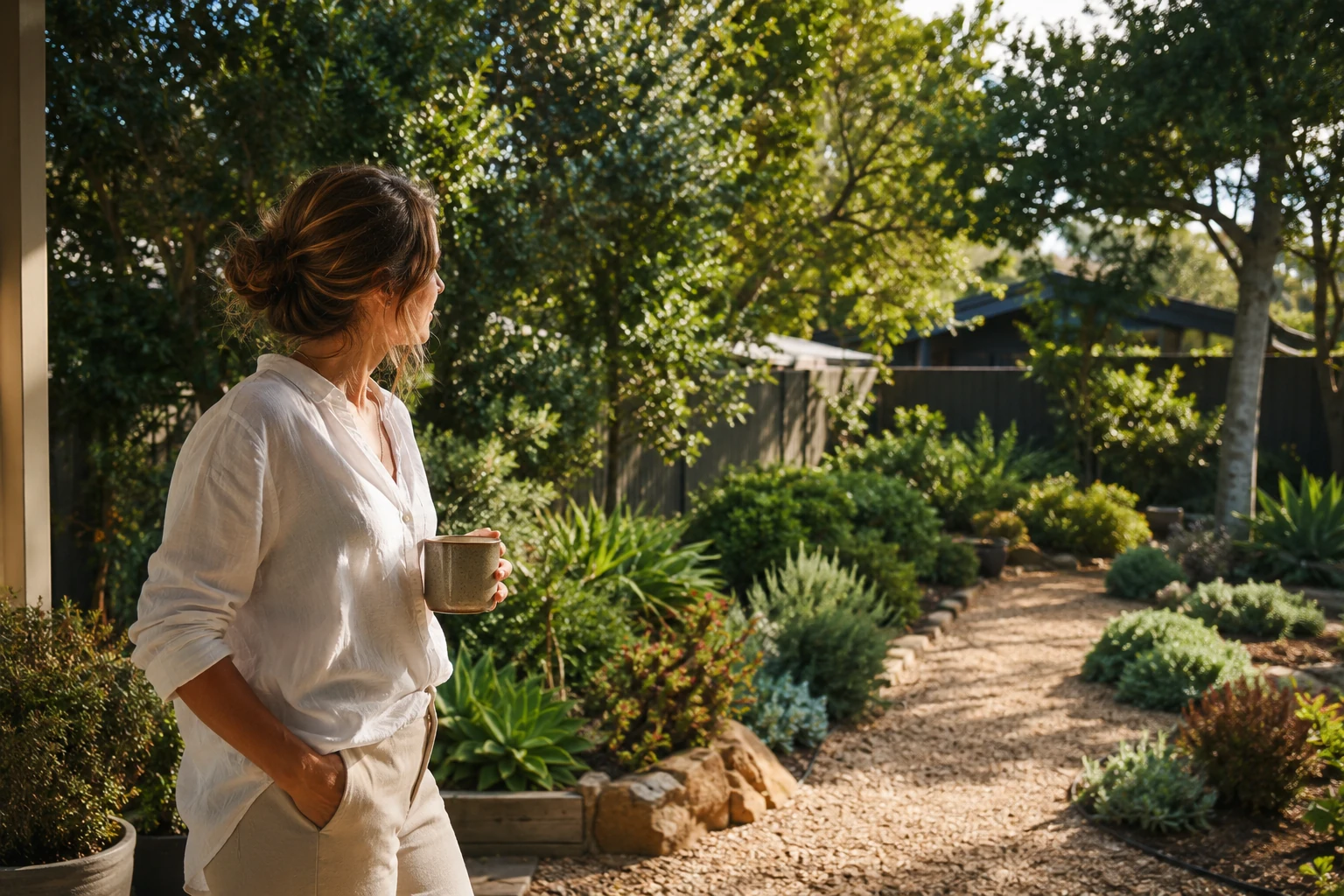
- Native Planting: Plants like dianella and lomandra do well around water features because they handle moisture and need less irrigation. They also attract local wildlife like frogs and birds, which adds life to your garden year-round.
- Water Restrictions: Most Australian states have permanent water conservation rules in place. In Queensland, for example, you can operate a fountain or pond as long as the system recirculates the water.
- Drought-Conscious Planning: A recirculating pump keeps water cycling without waste, and pairing it with a shaded or covered reservoir cuts down on how much you lose each week.
- Evaporation: Hot, dry conditions can make water evaporate faster, especially in open basins exposed to sun and wind. Choose a sheltered location to reduce this water loss. This way, your feature will need fewer top-ups and be easier to maintain.
- Wildlife-Friendly Design: Shallow edges and flat rocks give birds and bees safe spots to land, drink, and bathe. These small additions support your garden’s wider ecosystem and cost almost nothing to include during the build.
Get these details right at the planning stage to reduce problems once construction starts. It also means your water feature will last longer and cost less to look after over time.
Planning for Long-Term Enjoyment
Your lifestyle can change over time, so your garden should have the flexibility to adapt with you. For families with young children, a pondless water feature can provide a safer option now, while an open pond can be added later when it better suits your needs.
As your needs change, the quality of your water feature will also affect how well it performs over the years. From our Brisbane projects, we’ve found that durable materials like marine-grade pumps and UV-stable basins can reduce the need for repairs and replacements.
Create a Backyard Water Feature Design That Fits Your Lifestyle
If you’ve read so far, we hope you’re feeling a bit more confident about where to start with your garden water features. The best results come from balancing a few things at once:
- Your lifestyle and budget
- How much maintenance are you happy to take on
- How well the feature fits your overall garden design.
Australian conditions play a big role too, so always keep your local weather in mind when choosing a style and size.
Once those pieces line up, your outdoor space will start to feel complete in a way that plants and furniture alone just can’t match. And if you’re ready to take the next step, the team at Design Martus can help. We can plan a water feature that suits your property and the way you actually use your backyard.